A used car’s condition reflects more than its age and mileage. Previous ownership, driving habits, maintenance routines, and the environments in which a vehicle was operated can all influence its long-term reliability. A car driven mainly on highways may experience different wear patterns from one used for frequent short trips, heavy commuting, or commercial activities. Buyers comparing used cars in Mechanicsville, VA should look beyond the exterior appearance and learn as much as possible about a vehicle’s ownership and usage history before making a decision.
Why Previous Ownership Matters
The number of previous owners can provide useful context when evaluating a used vehicle. A car with a single long-term owner may have a more consistent maintenance history, while a vehicle that has changed hands several times may require additional investigation. However, ownership count alone does not determine vehicle quality.
A well-maintained car with multiple owners can be a better choice than a neglected vehicle that has had only one owner. Ask whether the previous owners used the vehicle for commuting, family transportation, recreational travel, or business purposes. Understanding its general role can help identify areas that deserve closer inspection.
Review the Vehicle History Report
A vehicle history report is a useful starting point for understanding a car’s background. Using its vehicle identification number (VIN), buyers can review available records concerning ownership changes, reported accidents, title status, mileage entries, and certain damage events. Pay particular attention to title information. A clean title generally indicates that the vehicle has not received certain major title brands, while salvage, rebuilt, or flood-related records deserve careful evaluation.
Accident information also requires context. A minor collision repaired professionally may have a different impact from extensive structural damage. Ask for repair documentation and have any previous collision damage evaluated by a qualified technician. History reports are helpful, but they may not contain every event in a vehicle’s life. Missing information should not automatically be interpreted as proof that no problems occurred.
Understand How the Vehicle Was Used
Driving conditions can influence wear on important vehicle components. A car used primarily for highway travel may experience fewer braking cycles than one regularly driven through congested streets. Stop-and-go commuting can contribute to wear on brakes, tires, and other components. Frequent short journeys may also affect engine operating conditions because the vehicle may not consistently reach its normal operating temperature.
Vehicles previously used for delivery work, ridesharing, or commercial transportation may have accumulated substantial operating hours even when their mileage appears relatively modest. Ask the seller about the vehicle’s typical use rather than relying exclusively on its odometer reading. Usage details can provide helpful context for evaluating its overall condition.
Check for Previous Towing and Heavy Loads
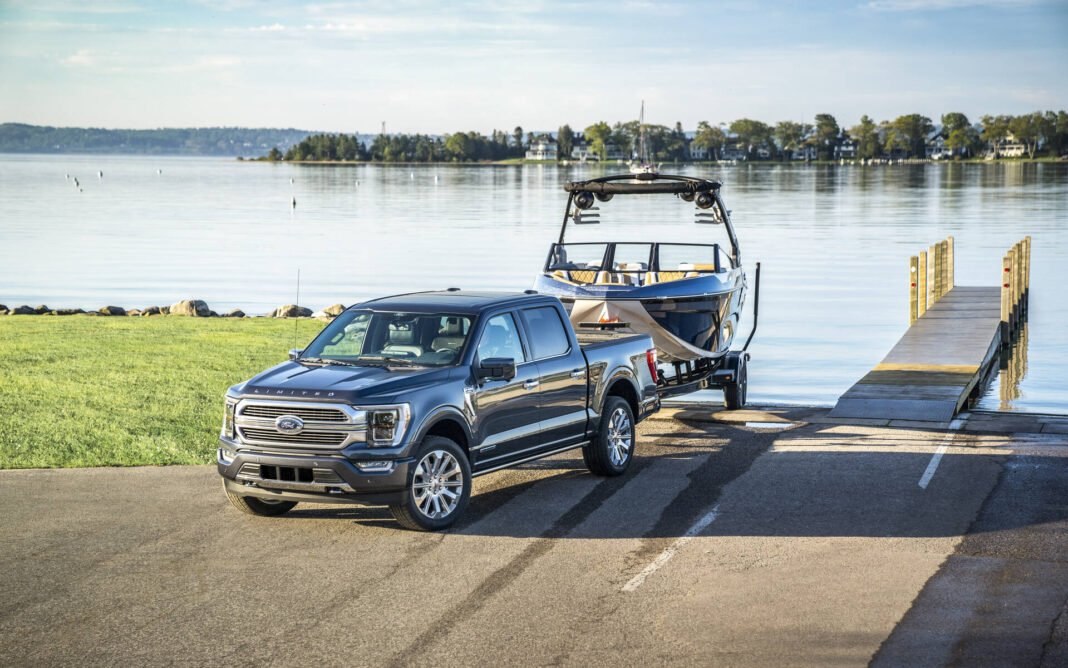
Some vehicles are regularly used to tow trailers, boats, or recreational equipment. Although many models are designed for towing, frequent use can place additional demands on the engine, transmission, brakes, suspension, and cooling system. If the vehicle has a towing history, ask about the approximate loads, frequency of towing, and maintenance performed during that period.
Inspect the hitch receiver and surrounding areas for visible damage, corrosion, or signs of improper installation. A mechanic can also evaluate the transmission operation, suspension components, and other systems that may have experienced additional stress. This is particularly important when considering a used SUV or pickup truck that may have been selected for its towing capabilities.
Examine Maintenance and Service Records
Maintenance documentation can reveal how consistently a vehicle received routine care. Ask for available records covering oil changes, tire rotations, brake servicing, fluid replacements, and major repairs. Compare the documented service intervals with the manufacturer’s recommended maintenance schedule for that specific model and year.
Receipts can also help verify mileage progression because repair and service documents often record the odometer reading at the time of work. Consistent records make it easier to understand how the vehicle was maintained over time.
If some records are missing, ask whether maintenance was completed at home or through a repair facility that did not provide digital documentation. A gap in paperwork deserves clarification but does not automatically indicate neglect.
Look for Signs of Previous Accidents or Damage
A vehicle may look attractive after cosmetic repairs while still having underlying damage. Examine body panels for inconsistent paint shades, uneven gaps, mismatched trim, and signs of previous repairs. Check the trunk, door frames, and engine compartment for unusual welding marks or visible deformation. These areas can sometimes provide clues about earlier collision repairs.
Also inspect the interior for signs of water exposure, including musty odors, stained carpeting, unusual corrosion, or moisture beneath floor mats. Previous flooding can affect electrical systems and other components even after visible water has disappeared. A professional inspection is especially valuable when the history report identifies an accident or other damage event.
Verify Mileage and Ownership Details
Mileage is an important consideration, but it should always be evaluated alongside the vehicle’s age and maintenance history. Compare the odometer reading with available service records and vehicle history entries. Look for inconsistent mileage progression or gaps that require an explanation. Interior wear can also provide useful context.
Excessively worn steering wheels, pedals, seats, and controls may deserve attention when the vehicle has relatively low recorded mileage. Ask for clarification about any differences between the odometer, service documents, and history report before proceeding.
Arrange an Independent Pre-Purchase Inspection
Even a detailed vehicle history report cannot reveal every mechanical issue. An independent inspection by a qualified mechanic provides another level of protection. The inspection should cover the engine, transmission, brakes, tires, steering, suspension, electrical systems, and visible signs of previous damage.
A road test can help identify unusual noises, shifting problems, vibration, or handling concerns. Ask the mechanic to explain which issues require immediate attention and which may become future maintenance expenses. This information can help buyers assess the vehicle’s overall value more realistically.
Conclusion
Understanding previous ownership and vehicle usage is an important part of selecting a dependable used car. Reviewing history reports, examining maintenance records, asking about driving conditions, and checking for towing or accident history can reveal details that a visual inspection alone may miss. Combining this research with a professional mechanical inspection helps buyers make informed comparisons and choose a vehicle whose history and condition suit their everyday transportation needs.