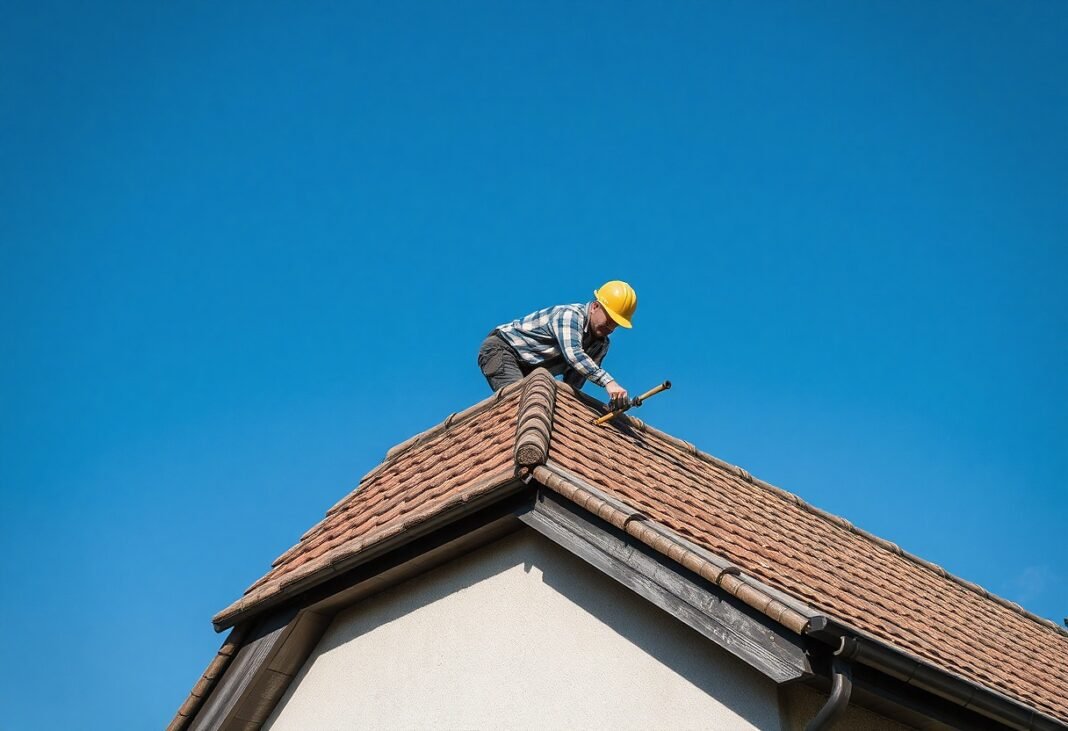
A damaged or aging roof can create uncertainty for homeowners. When shingles are missing, leaks appear, or signs of deterioration become visible, one important question arises: should the roof be repaired or completely replaced? Both options can protect a home when chosen for the right conditions, but the best decision depends on the extent of damage, the roof’s age, the condition of underlying materials, and the long-term cost. Understanding these factors helps homeowners avoid unnecessary expenses while protecting their property. When evaluating Pittsburgh roof repair and replacement, a professional inspection can provide valuable information about which approach makes the most sense.
1. Evaluate the Overall Age and Condition of the Roof
Roof age is an important starting point when deciding between repair and replacement. Different roofing materials have different expected service lives, and actual performance depends on installation quality, maintenance, ventilation, and weather exposure. For example, asphalt shingles generally have a shorter service life than many metal, slate, or tile roofing systems. However, age alone does not determine whether a roof needs replacement.
A well-maintained older roof may remain serviceable, while a relatively new roof with installation problems or severe storm damage may require significant work. Homeowners should consider the roof’s original installation date, previous repairs, and visible condition. Combining these details with a professional assessment provides a more reliable basis for making a decision.
2. Identify Whether the Damage Is Localized or Widespread
The extent of damage is one of the strongest indicators of whether repair is sufficient. If a small section has missing shingles, damaged flashing, or a localized leak, repairing the affected area may restore the roof’s performance without replacing the entire system. However, widespread deterioration can make replacement a more practical option.
Multiple damaged sections, extensive cracking, curling shingles, and significant granule loss may indicate that the roofing materials are approaching the end of their useful life. A professional should examine more than the most visible problem. Damage that appears limited from the ground may extend beneath the surface or affect nearby roofing components. Understanding the full scope helps prevent temporary repairs from overlooking larger issues.
3. Consider the Frequency of Roof Leaks
An occasional leak does not automatically mean a roof needs replacement. Water may enter through a damaged flashing detail, loose shingle, cracked vent boot, or another isolated opening. If the surrounding materials remain in good condition, a targeted repair may resolve the problem.
Repeated leaks deserve closer attention. When water begins entering through different areas or returns after previous repairs, the roof may have broader deterioration or unresolved installation issues.
Homeowners should also remember that interior water stains do not always appear directly beneath the source of a leak. Water can travel along roof decking and framing before becoming visible on a ceiling. A thorough inspection should identify the actual entry point rather than simply treating the visible stain.
4. Inspect the Roof Decking and Underlying Structure
The condition of the materials beneath the shingles or other roof covering is essential when deciding between repair and replacement. Roofing systems depend on sound decking, appropriate underlayment, flashing, and proper connections to protect the home. Soft or deteriorated decking may indicate prolonged moisture exposure. Sagging areas, visible rot, or damaged structural components can also suggest problems that extend beyond the outer roofing material.
A small repair may still be possible when damage is limited to a specific section and the surrounding structure remains sound. More extensive deterioration may require removing larger portions of the existing roof or replacing the entire system. Homeowners should ask contractors to explain any underlying damage they discover and provide photographs when possible. This makes it easier to understand why a particular repair or replacement approach is recommended.
5. Compare the Long-Term Costs of Both Options
Repairing a roof usually requires a smaller initial investment than replacing the entire system. For homeowners dealing with isolated damage, this can be a sensible way to restore protection while preserving the remaining useful life of the roof. However, repeated repairs can become expensive. If different sections continue developing problems, the combined cost may approach the price of a replacement without providing the same long-term reliability.
When comparing estimates, consider the expected durability of the proposed work rather than focusing only on the immediate price. Ask contractors to explain how long a repair is reasonably expected to last and whether other parts of the roof are likely to need attention soon. A written comparison of repair and replacement costs can help homeowners evaluate the financial implications of each option.
6. Examine Shingle Deterioration and Material Compatibility
For homes with asphalt shingles, visible changes can provide useful clues about roof condition. Curling edges, cracking, missing granules, and brittle surfaces may indicate widespread material deterioration. In contrast, a few damaged shingles on an otherwise healthy roof may be replaceable. The availability of matching materials is another consideration.
Older roofing products may have been discontinued, making it difficult to achieve a consistent appearance after repairs. Different roofing materials also require different repair methods. A qualified contractor should understand the existing roofing system and recommend compatible replacement components. Using unsuitable materials or installation methods can create additional problems instead of resolving the original issue.
7. Account for Storm Damage and Local Weather Exposure
Severe weather can affect roofs through strong winds, heavy rain, falling branches, and other hazards. A storm may damage only a small section, or it may expose weaknesses across multiple roof surfaces. After severe weather, homeowners should look for visible signs of damage from a safe location.
Missing shingles, fallen branches, displaced flashing, and interior water stains may indicate that an inspection is necessary. Avoid climbing onto a damaged or wet roof. Instead, document visible concerns from the ground and contact a qualified roofing professional. If insurance coverage may apply, review the policy and contact the insurer about the appropriate claims process before authorizing non-emergency work.
8. Request a Detailed Professional Inspection
When the right option is unclear, a professional inspection is the most useful next step. A qualified contractor can evaluate the roof covering, flashing, drainage, accessible decking, ventilation, and signs of moisture intrusion. Ask for photographs of damaged areas and a written explanation of the recommended work.
If replacement is proposed, the estimate should identify what will be removed, which materials will be installed, and whether decking or flashing repairs are included. For a major project, obtaining another written opinion can also help homeowners compare recommendations and understand the available options. A reliable professional should explain the reasoning without pressuring the homeowner into an immediate decision.
Conclusion
Choosing between roof repair and full replacement requires an understanding of the roof’s overall condition rather than relying on one visible problem. Localized damage on an otherwise sound roof may be suitable for repair, while widespread deterioration, recurring leaks, and compromised underlying materials can make replacement a better long-term investment.
Homeowners should consider material age, previous repair history, project costs, and weather-related damage before deciding. A detailed professional inspection and clear written estimates can help identify the most appropriate solution, protect the home, and support dependable roof performance for years to come.