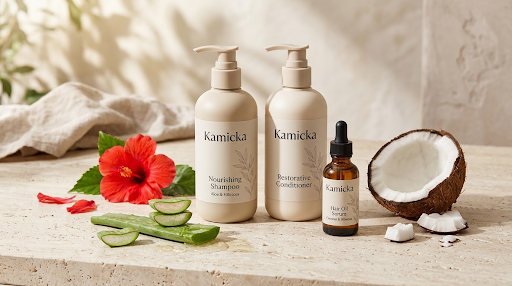
Hair care has become an important part of personal grooming and everyday wellness. People are increasingly paying attention to the products they use, the ingredients they contain, and how these products affect their hair over time. From shampoos and conditioners to hair oils, serums, and specialised treatments, the market offers a wide range of solutions for different hair types and concerns.
This growing awareness has encouraged the beauty and personal care industry to focus on product quality, ingredient transparency, and innovative formulations. As consumer expectations continue to evolve, businesses involved in hair care manufacturing are finding new opportunities to develop products that address changing requirements.
Changing Consumer Preferences in the Hair Care Industry
Modern consumers are becoming more informed about their hair care choices. Instead of selecting products based only on packaging or advertising, many people now examine ingredient lists and product suitability.
Some common factors influencing purchasing decisions include:
- Products suitable for different hair types and textures.
- Formulations designed for dryness, frizz, and hair breakage.
- Greater interest in plant-derived ingredients.
- Products that support scalp care and hair nourishment.
- Transparent product information and responsible manufacturing practices.
These preferences have encouraged brands to invest in research and develop formulations that combine functionality with a better consumer experience.
The Importance of Quality Manufacturing
Behind every successful hair care product is a manufacturing process that focuses on formulation, ingredient selection, testing, and quality control.
Professional hair care product manufacturers play an important role in transforming product concepts into market-ready solutions. Their responsibilities may include sourcing suitable raw materials, developing formulations, maintaining manufacturing standards, and ensuring consistency across product batches.
Manufacturing quality is particularly important because hair care products are used regularly. Consumers expect products to perform consistently while being appropriate for their intended use.
Brands looking to establish themselves in this competitive market must therefore pay attention to manufacturing capabilities and product development processes.
Growing Interest in Herbal and Natural Hair Care
The interest in herbal and nature-inspired personal care products has increased as consumers explore alternatives to conventional beauty formulations.
Ingredients such as aloe vera, hibiscus, amla, neem, and coconut oil are commonly associated with traditional hair care practices. These ingredients are used in different formulations depending on their intended cosmetic properties.
However, the effectiveness and suitability of any product depend on its complete formulation, ingredient concentration, and quality standards rather than simply whether it contains natural ingredients.
Brands such as Kamicka Organics reflect the growing interest in the herbal and natural personal care segment, where ingredient selection and product development are important considerations.
Innovation Is Transforming Hair Care Products
Product innovation has become an important factor in the growth of the hair care market. Manufacturers are exploring different formulations to address specific consumer needs.
Some emerging product categories include:
Scalp Care Solutions: Products designed to cleanse and maintain scalp hygiene are gaining attention as consumers recognise the importance of scalp care.
Nourishing Hair Oils: Hair oils remain popular for conditioning and improving hair manageability.
Specialised Shampoos: Different formulations are developed for dry, oily, damaged, coloured, and textured hair.
Leave-In Conditioners and Serums: These products offer convenient solutions for managing frizz, improving smoothness, and protecting hair from everyday environmental exposure.
Such product diversity allows brands to serve different customer segments and create more specialised offerings.
What Should Brands Consider When Selecting a Manufacturing Partner?
Choosing the right manufacturing partner is an important business decision for companies planning to introduce or expand their hair care product range.
Before finalising a manufacturer, brands should evaluate:
- Manufacturing Infrastructure: Check whether the facility has suitable equipment and production capabilities.
- Ingredient Quality: Understand the sourcing and quality assessment procedures for raw materials.
- Product Development: Evaluate the manufacturer’s ability to support formulation development and product customisation.
- Quality Control: Review the testing and documentation processes followed during production.
- Scalability: Consider whether the manufacturer can support future production requirements as the brand grows.
A reliable manufacturing relationship can help businesses maintain product consistency and build consumer confidence.
Conclusion
The hair care industry continues to evolve with changing consumer expectations, growing interest in herbal formulations, and advancements in product development. Quality manufacturing, responsible ingredient selection, and consistent product standards remain essential for businesses operating in this sector.
As consumers become more selective about their personal care choices, brands that focus on quality and meaningful product innovation will be better positioned to establish lasting relationships with their customers.