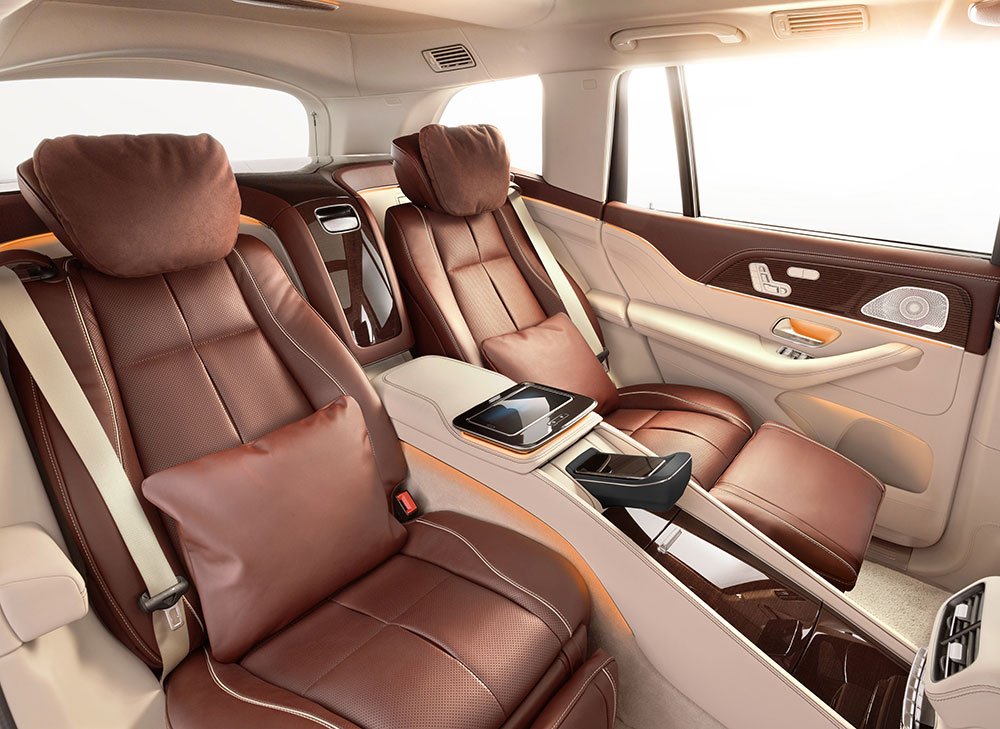
Family road trips are more enjoyable when everyone has enough room to relax throughout the journey. While drivers often focus on performance, fuel economy, and front-seat comfort, rear-seat passengers also need proper support, legroom, and convenient features. Children, teenagers, and adults may spend several hours in the back, making interior comfort an important part of choosing a vehicle. When exploring options at car dealerships in Grandville MI, evaluating the rear seating area can help families find a vehicle that better suits their travel needs.
Check Rear Legroom and Headroom
Legroom is one of the first things to evaluate when inspecting a family vehicle. Rear passengers should have enough space to sit naturally without their knees pressing against the front seats. However, advertised cabin dimensions do not always tell the complete story.
The shape of the front seatbacks, center floor area, and available foot space can affect how roomy the rear compartment feels. Ask someone who regularly travels with the family to sit in the back while the driver adjusts the front seat to their normal position. Headroom is equally important, particularly for taller passengers.
Check whether passengers can sit upright without their heads touching the ceiling. A vehicle with a spacious second row may provide a more comfortable experience than one with a larger exterior appearance but limited interior room.
Evaluate Seat Cushioning and Backrest Support
A rear seat should provide more than soft cushioning. Seats that feel comfortable initially may become tiring when passengers remain seated for several hours. Look for cushions that support the thighs and distribute body weight comfortably. A seat that is too short may leave passengers without adequate under-thigh support, while excessively soft cushioning may not provide enough stability over longer journeys. Backrest angle also influences comfort.
Some vehicles offer reclining rear seats, allowing passengers to choose a position that feels more natural. Adjustable head restraints are another useful feature because they can accommodate passengers of different heights. During an inspection, sit in each commonly used rear seating position. Check whether the seatback supports the lower and upper back without forcing an awkward posture.
Consider Rear Climate Control and Air Vents
Temperature comfort can become a major concern when several family members share a vehicle. Front passengers may prefer one temperature while those in the rear want more or less airflow. Rear air vents help distribute conditioned air beyond the front cabin.
Some vehicles offer separate rear climate controls, allowing passengers to adjust airflow or temperature independently. Before purchasing, check where the vents are positioned and whether passengers can reach the controls easily. Turn on the air conditioning and heating systems to confirm that air reaches the rear seating area effectively.
For families traveling in different seasons, heated rear seats can also be a welcome convenience. These features are generally dependent on the vehicle’s model year and trim level, so confirm their availability rather than assuming they are included.
Look at Seating Configuration and Flexibility
Not every family needs the same seating arrangement. A five-seat sedan or SUV may provide sufficient room for a smaller household, while families who regularly travel with additional passengers may benefit from a three-row vehicle.
Second-row captain’s chairs can provide individual seating space and easier access to the third row. However, they reduce the number of passengers who can sit in that row compared with a traditional bench. A sliding second row can also be valuable. It allows passengers to adjust available legroom or create additional access to the rear.
Split-folding seats provide flexibility when families need to carry luggage, sports equipment, strollers, or other belongings. When comparing configurations, consider how often all seats will be occupied and whether the third row offers enough space for the people who will use it.
Check Child Seat Compatibility
Families traveling with younger children should pay particular attention to child safety seat installation. Look for accessible LATCH anchors and suitable seat-belt arrangements in the positions where child restraints will be installed. Check whether the rear doors open wide enough to make loading children convenient.
Also consider whether an installed child seat leaves enough room for other passengers. Bring the actual child safety seat during the vehicle inspection if possible. Test its installation according to the manufacturer’s instructions and confirm that it fits securely. A vehicle may appear spacious until a rear-facing child seat is installed behind the front passenger.
Pay Attention to Rear Passenger Convenience
Small interior details can make long trips easier. Rear cup holders, door pockets, storage compartments, USB charging ports, and adjustable reading lights give passengers convenient places for everyday items. USB ports are especially useful when children or teenagers use phones, tablets, or other devices during travel.
Some vehicles also include rear entertainment screens or compatible connectivity features. Check whether the available controls are easy to reach from the seating positions. Make sure charging ports work and that storage compartments are large enough for the items passengers typically carry.
Assess Ride Quality and Cabin Noise
Comfort depends on more than the seats themselves. A vehicle with a firm ride or excessive road noise may become tiring during extended travel, even if its rear cabin is spacious. During a test drive, pay attention to how the suspension responds to bumps and uneven pavement. Rear passengers may experience road impacts differently from those sitting in the front. Listen for excessive tire, wind, or engine noise.
A quieter cabin makes conversation easier and can create a more relaxing environment for children and adults alike. Tire condition and wheel configuration can also influence ride quality, so include them in the inspection.
Test the Rear Seats Before Making a Decision
A practical way to evaluate a family vehicle is to bring the people who will regularly travel in it. Let them sit in the second and third rows, adjust their positions, and check whether they can enter and exit comfortably.
If possible, take a test drive with the family. Pay attention to legroom, seat support, visibility, climate control, and access to storage. This firsthand experience can reveal limitations that are difficult to identify from photographs or specification sheets.
Conclusion
Choosing a vehicle with comfortable rear seats requires looking beyond passenger capacity. Legroom, headroom, supportive cushions, climate control, seating flexibility, child seat compatibility, and convenient storage all contribute to a better family travel experience.
Testing the rear seating area with the people who will use it most can help families make a more practical decision. A comfortable cabin makes longer journeys easier and allows everyone to enjoy more of the trip.