Everyday driving can involve unexpected situations, from sudden traffic slowdowns to vehicles entering blind spots and pedestrians crossing busy streets. Modern safety technology helps drivers become more aware of their surroundings and respond to potential hazards. New Nissan vehicles offer a range of driver-assistance features designed to support safer, more confident driving.
When exploring new Nissan cars for sale, understanding these technologies can help you compare models and find equipment that suits your daily driving needs. Nissan’s safety systems combine cameras, sensors, alerts, and other technologies to assist drivers in different situations. Although availability varies by model, trim, and model year, several features can make routine travel more convenient.
Nissan Safety Shield 360 Provides Multiple Layers of Assistance
One of Nissan’s well-known safety technology packages is Safety Shield 360. It brings together several driver-assistance features that monitor areas around the vehicle and provide alerts or braking assistance when certain hazards are detected. The system includes technologies such as Automatic Emergency Braking with Pedestrian Detection, Blind Spot Warning, Lane Departure Warning, High Beam Assist, Rear Cross Traffic Alert, and Rear Automatic Braking.
These features serve different purposes, giving drivers additional information about what is happening ahead, beside, and behind the vehicle. They are designed to support driver awareness rather than replace careful driving or attentive decision-making.
Automatic Emergency Braking Helps Address Potential Collisions
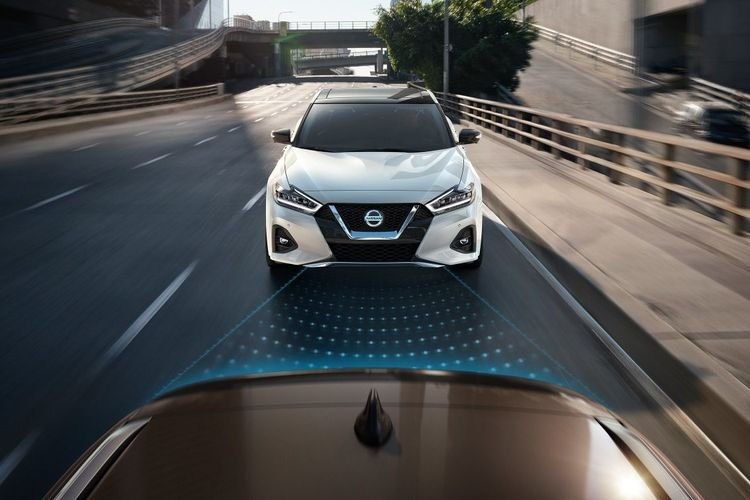
Traffic conditions can change quickly, particularly when vehicles ahead slow down unexpectedly. Automatic Emergency Braking with Pedestrian Detection is designed to monitor the road ahead and identify certain potential collision situations. Depending on the system and operating conditions, it can provide visual and audible warnings when a possible frontal collision is detected.
If the driver does not respond and the system determines that intervention is necessary, it may apply the brakes to help avoid or reduce the severity of an impact. Pedestrian detection adds another layer of assistance by helping identify people in certain situations ahead of the vehicle. This technology can be particularly useful around intersections, parking areas, and busy streets where pedestrians may enter the vehicle’s path.
Blind Spot Warning Supports Lane Changes
Changing lanes requires drivers to monitor mirrors, surrounding traffic, and areas that may not be visible through normal mirror positioning. Blind Spot Warning can help by detecting certain vehicles traveling in adjacent blind spot areas.
When a vehicle is detected, the system can provide a visual indicator near the side mirror or another designated display area. Some Nissan models may also provide an audible warning when the driver activates a turn signal while another vehicle is detected nearby.
This additional information can be useful during highway travel and multi-lane commuting. Drivers should still check their mirrors and look over their shoulders before changing lanes because the system may not detect every vehicle or road condition.
Lane Departure Warning Helps Maintain Lane Awareness
Long commutes and extended highway journeys can require sustained concentration. Lane Departure Warning is designed to monitor road markings and alert drivers when the vehicle begins drifting out of its lane without an intended maneuver. Depending on the vehicle, the warning may appear as an indicator on the instrument display or an audible alert.
It can remind drivers to check their steering position and correct unintended movement. This feature can be especially helpful on clearly marked roads, but its effectiveness may be limited by faded lane markings, poor weather, construction zones, or other road conditions.
Rear Cross Traffic Alert Helps When Reversing
Backing out of a parking space can be challenging when nearby vehicles, buildings, or other obstacles restrict visibility. Rear Cross Traffic Alert monitors certain areas behind the vehicle and can warn drivers when approaching traffic is detected from either side.
The system can provide audible or visual alerts, giving the driver additional information before continuing to reverse. This technology can be useful in crowded shopping center parking lots, residential driveways, and other areas where visibility is limited. However, drivers should continue checking mirrors, rearview camera displays, and their surroundings before backing up.
Rear Automatic Braking Adds Assistance in Tight Spaces
Rear Automatic Braking is another feature that can support low-speed maneuvering. It is designed to detect certain stationary objects directly behind an equipped vehicle. If the system identifies an obstacle and determines that intervention is needed, it may automatically apply the brakes to help prevent a collision or reduce its severity.
This feature can provide additional assistance when parking near walls, vehicles, or other objects. It does not eliminate the need to reverse slowly and remain aware of the vehicle’s surroundings.
High Beam Assist Supports Nighttime Visibility
Driving after dark can be more demanding when approaching traffic makes it necessary to adjust headlight settings frequently. High Beam Assist can automatically switch between high and low beams when it detects certain vehicles ahead or approaching from the opposite direction.
This can help drivers maintain useful nighttime illumination while reducing unnecessary glare for other road users. The feature is particularly relevant for drivers who regularly travel on roads with limited street lighting. Its operation depends on visibility, sensor detection, and surrounding conditions, so drivers should remain prepared to control their headlights when necessary.
Driver Assistance Technology Can Improve Everyday Convenience
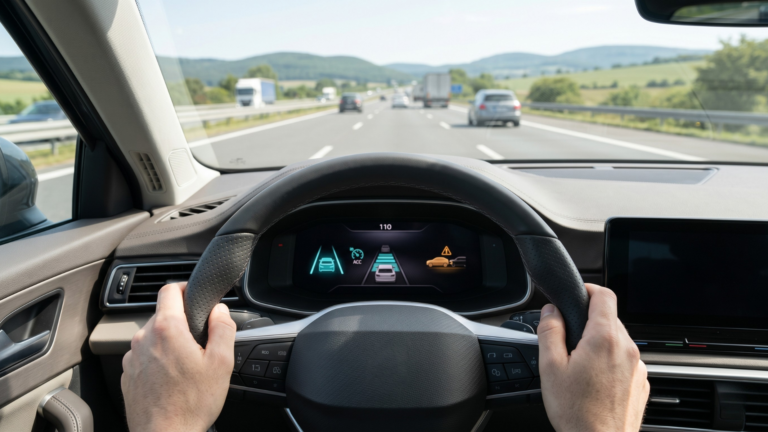
Safety features are not limited to collision warnings. Depending on the Nissan model and trim, additional technologies may include Intelligent Around View Monitor, Intelligent Cruise Control, and ProPILOT Assist. An Around View Monitor can provide a composite view of the vehicle’s surroundings to help with parking and low-speed maneuvering.
Intelligent Cruise Control can help maintain a selected following distance from a vehicle ahead under appropriate conditions. ProPILOT Assist, where equipped, can provide steering and speed assistance on compatible roads.
Drivers must remain attentive, keep their hands appropriately positioned, and be ready to take control whenever necessary. These systems can make certain driving tasks less demanding, but they do not make a vehicle autonomous.
Compare Safety Equipment Before Choosing a Nissan
Different Nissan vehicles offer different combinations of safety technology. Before selecting a model, compare the standard and available features on the specific trim you are considering. Ask about the operation of each system and experience the alerts, camera displays, and driver-assistance controls during a vehicle demonstration. It is also useful to understand how the technologies respond to poor weather, unclear road markings, and other challenging conditions.
Conclusion
Advanced safety features can make everyday driving more confident by helping drivers monitor surrounding traffic, recognize certain hazards, and respond to potential risks. Nissan technologies such as Safety Shield 360 offer assistance with braking, lane awareness, blind spots, reversing, and nighttime visibility.
The best vehicle choice depends on which features support your driving habits and provide useful assistance during routine travel. Comparing available equipment and understanding its limitations can help you choose a Nissan that balances everyday convenience with thoughtful safety technology.