Modern driving involves more than steering, accelerating, and braking. Drivers must monitor surrounding traffic, recognize potential hazards, maintain safe distances, and respond to changing road conditions. Advanced driver assistance systems can provide useful support by helping drivers stay aware and react to certain situations.
New Mazda vehicles offer a range of technologies through the i-ACTIVSENSE safety suite, depending on the model and trim. Understanding these features can help shoppers comparing new Mazda cars for sale identify the technology that best supports their everyday driving needs.
Understanding Mazda i-ACTIVSENSE Technology
Mazda i-ACTIVSENSE is a collection of safety and driver-assistance technologies designed to help identify potential hazards and support safer driving decisions. Depending on the vehicle, these systems use cameras, radar sensors, and other monitoring technology to observe the road and surrounding traffic.
Some features provide warnings when a potential hazard is detected, while others can offer limited braking or steering assistance under specific conditions. Their purpose is to support the driver rather than replace attentive driving. The exact equipment varies by model year, vehicle, and trim. Buyers should review individual vehicle specifications to understand which systems are included.
Blind Spot Monitoring for Greater Awareness
Changing lanes requires drivers to understand what is happening around their vehicles. Blind Spot Monitoring can help by detecting vehicles traveling in adjacent lanes that may not be easily visible in the side mirrors.
When the system identifies a vehicle in a monitored area, it can provide a warning through an indicator near the side mirror. Depending on the system and circumstances, an additional alert may occur if the driver signals toward an occupied lane.
This technology can be particularly useful during highway travel, where vehicles may approach quickly from behind. It does not eliminate the need to check mirrors and look over the shoulder before changing lanes, but it provides another source of information.
Lane Departure Warning and Lane-Keeping Assistance
Maintaining a consistent position within a lane is important on highways and busy roads. Lane Departure Warning can monitor road markings and alert the driver when the vehicle begins moving outside its lane without an appropriate signal. Some equipped Mazda vehicles also offer lane-keeping assistance.
Depending on the system, this technology may provide steering support to help guide the vehicle back toward its intended lane position. These features can be helpful during longer journeys, when fatigue or momentary inattention may affect driving. However, road markings, weather, and other conditions can influence system performance. Drivers should always maintain control and keep their attention on the road.
Smart Brake Support and Collision Assistance
Recognizing a potential collision early can give drivers more time to respond. Mazda’s Smart Brake Support is designed to help in certain situations by detecting potential obstacles and providing warnings or braking assistance when necessary. Depending on the system, the technology may identify vehicles or other obstacles ahead and help reduce the severity of a potential impact.
Certain versions also provide support when reversing or approaching crossing traffic. These capabilities can be valuable in congested traffic, parking areas, and situations where an unexpected obstacle appears. Nevertheless, drivers should maintain a safe following distance and avoid assuming that automatic braking will prevent every collision.
Rear Cross Traffic Alert for Parking Situations
Backing out of a parking space can be difficult when nearby vehicles, buildings, or other obstacles restrict visibility. Rear Cross Traffic Alert helps monitor approaching traffic from either side while the vehicle is reversing.
If the system detects a potential hazard, it can provide an audible or visual warning to encourage the driver to stop and check the surroundings. This feature can be particularly useful in crowded parking lots and residential driveways.
Some Mazda vehicles also offer a 360-degree View Monitor, which combines camera images to provide a broader perspective around the vehicle. These technologies make parking maneuvers easier to assess, although drivers should still check their surroundings directly and use mirrors and cameras carefully.
Mazda Radar Cruise Control for Highway Driving
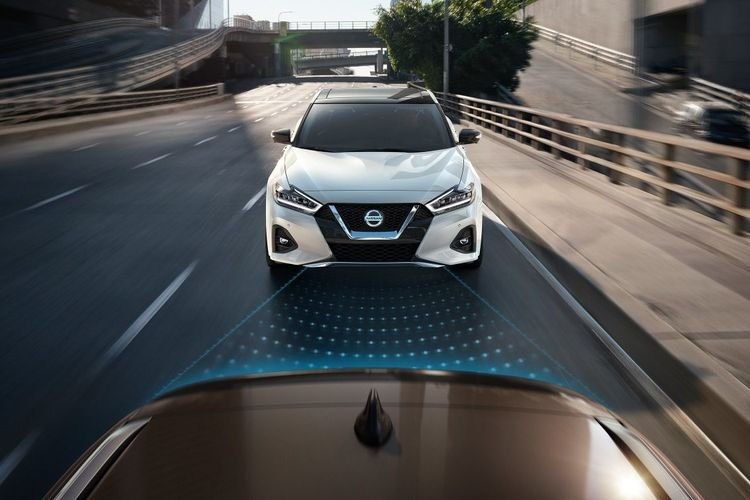
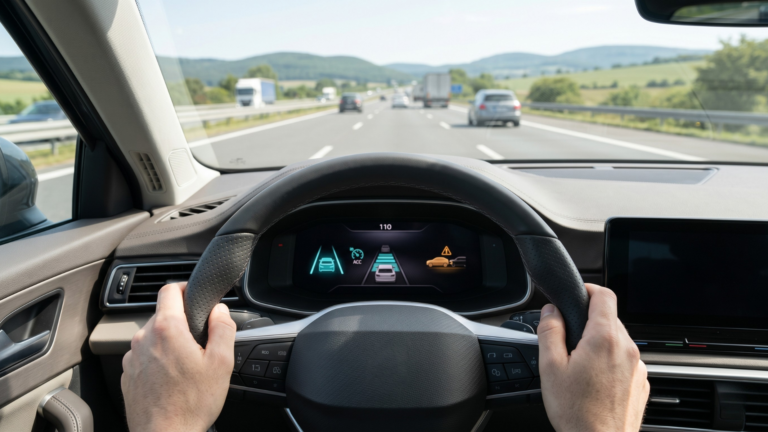
Long highway journeys can involve frequent speed adjustments as traffic conditions change. Mazda Radar Cruise Control helps manage the distance between the vehicle and traffic ahead by adjusting speed when appropriate. The driver selects a desired cruising speed and following distance. The system can then adjust acceleration or deceleration according to the vehicle ahead, within its operating limitations.
Certain versions include Stop and Go functionality, which can assist in slower traffic. This technology may reduce the effort involved in maintaining a consistent following distance during longer trips. Drivers must remain attentive, monitor traffic, and be ready to brake or take control whenever necessary.
Driver Attention and Visibility Support
Safe driving also depends on recognizing personal fatigue and maintaining good visibility. Selected Mazda models offer Driver Attention Alert or Driver Monitoring technology to help identify signs that a driver may be becoming inattentive or tired. These systems can provide alerts encouraging the driver to refocus or take a break.
lighting technologies, including High Beam Control, can also help manage nighttime visibility by adjusting high-beam operation according to detected traffic conditions. Traffic Sign Recognition is another available technology on selected vehicles. It can identify certain road signs and display relevant information to help drivers remain aware of posted restrictions.
Choosing a Mazda With the Right Safety Features
Not every driver needs the same combination of assistance technologies. Someone who frequently commutes on highways may prioritize adaptive cruise control and blind spot monitoring. Drivers who regularly navigate crowded parking areas may place greater value on rear cross-traffic alerts and available camera systems.
Families may want to compare automatic braking technology, lane support, and driver attention features. It is also useful to examine how alerts appear, whether settings can be adjusted, and how the systems behave during a test drive. Reviewing the equipment list for each model and trim helps prevent confusion about which technologies are included.
Conclusion
Advanced driver assistance features can support safer journeys by improving awareness, providing timely warnings, and offering limited assistance in certain driving situations. Mazda i-ACTIVSENSE technologies cover several everyday needs, from lane monitoring and collision support to parking awareness and highway cruising.
By comparing available systems and understanding their limitations, drivers can choose a new Mazda with safety technology suited to their regular travel habits. These features work best when combined with attentive driving, responsible speeds, and good road awareness.