Buying a pre-owned vehicle involves more than comparing prices, mileage, and appearance. A car may look well-maintained during a walk-around but still have mechanical issues that are difficult to recognize without professional equipment and experience. A pre-purchase inspection helps reveal potential problems before a buyer makes a financial commitment. When exploring used car dealerships White River Junction, arranging an independent inspection can provide useful information about a vehicle’s condition and help make the purchasing process more informed.
Identify Hidden Mechanical Problems
Some vehicle problems are easy to notice, such as a damaged headlight or worn tire. Others may develop inside the engine, transmission, cooling system, or drivetrain without producing obvious symptoms during a short test drive. A qualified mechanic can examine these systems for leaks, unusual wear, damaged components, and signs of previous repairs.
They may also listen for abnormal engine noises, evaluate fluid condition, and check how the transmission responds during operation. Finding an issue before purchasing gives buyers an opportunity to understand its seriousness. It may also help prevent unexpected repair expenses shortly after taking ownership.
Evaluate the Engine and Transmission
The engine and transmission are among the most important components to examine because repairs can be expensive. A professional inspection can identify signs of oil leaks, coolant problems, damaged belts, worn hoses, and unusual engine operation. The mechanic may start the engine when cold, observe how it idles, and assess its response during acceleration.
Transmission operation should also be evaluated for delayed engagement, slipping, rough shifting, or unusual sounds. These checks can help distinguish normal wear from symptoms that deserve further investigation. Buyers should request explanations of any concerns rather than assuming that every minor issue requires a major repair.
Check the Brakes, Tires, and Suspension
A vehicle’s safety and handling depend on several components working together. During a pre-purchase inspection, a mechanic can examine brake pads, rotors, calipers, brake lines, and other related parts. Tires should be checked for tread depth, uneven wear, cracks, and damage. Irregular tire wear may indicate alignment problems or worn suspension components.
The suspension inspection can include shocks, struts, bushings, springs, and steering connections. During a road test, the mechanic may look for excessive bouncing, vibration, pulling, or clunking sounds over uneven surfaces. Identifying these conditions early helps buyers understand whether the vehicle needs routine maintenance or more substantial repairs.
Look for Previous Accident Damage
A vehicle’s exterior appearance does not always reveal its complete accident history. Previous repairs may conceal damage to body panels, structural components, or the frame. A professional can examine paint consistency, panel gaps, welds, fasteners, and visible structural areas for signs of repairs. They may also identify corrosion or damage underneath the vehicle.
Not every repaired vehicle is necessarily a poor purchase. The important consideration is whether previous damage was properly addressed and whether the vehicle remains structurally sound. Buyers should ask questions about any unusual findings and request available repair documentation.
Inspect Electrical and Technology Features
Modern vehicles rely on electrical systems for starting, lighting, climate control, safety features, and infotainment. Problems with these systems can sometimes be difficult to identify without testing. A mechanic can check battery condition, charging performance, dashboard warning lights, exterior lighting, power windows, locks, and other electrical equipment.
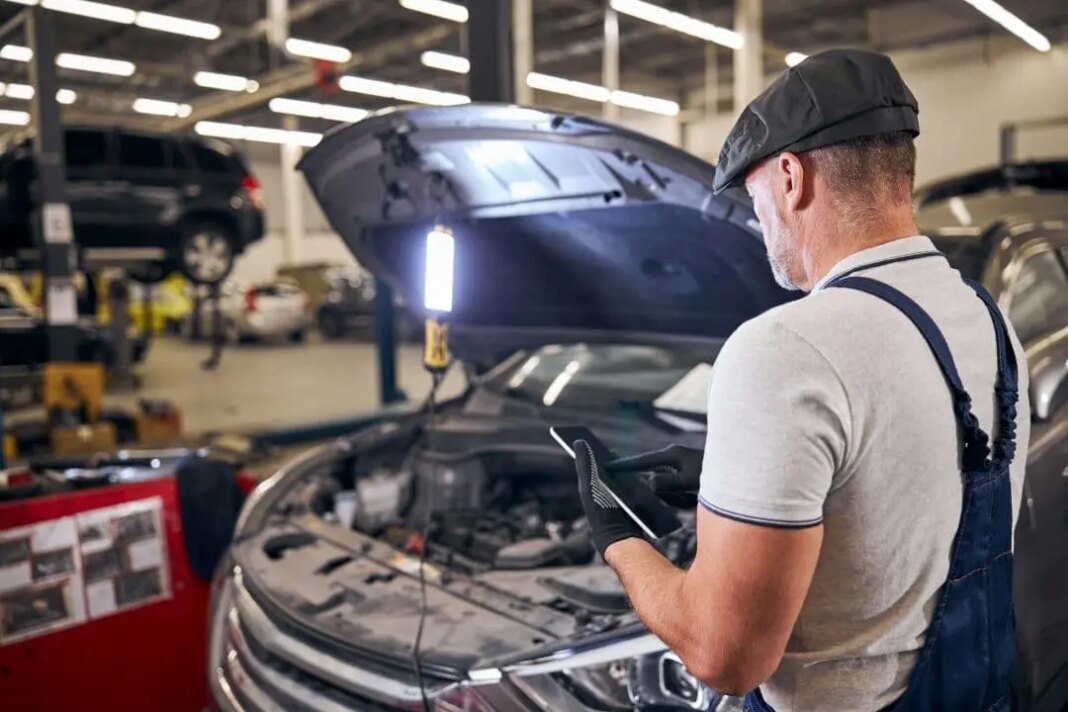
Depending on the vehicle, diagnostic tools may also help identify stored trouble codes. Technology features deserve attention as well. Test the backup camera, parking sensors, touchscreen, audio system, and available driver-assistance functions. Confirming that these features operate correctly can help avoid unexpected repair needs.
Understand the Vehicle’s Maintenance Needs
A pre-purchase inspection can reveal maintenance items that may soon require attention. Worn brakes, aging tires, deteriorated belts, dirty fluids, and leaking hoses can all influence the vehicle’s short-term ownership costs. Ask the mechanic to separate urgent safety concerns from routine maintenance recommendations.
This distinction helps buyers understand which repairs should be addressed immediately and which can be planned for later. Service records are also valuable. Comparing the inspection findings with documented maintenance can provide a clearer picture of how consistently previous owners cared for the vehicle.
Use the Inspection Report to Make an Informed Decision
A written inspection report gives buyers something concrete to review rather than relying only on verbal observations. Ideally, it should identify the vehicle, describe the areas examined, list discovered concerns, and provide estimated repair costs when possible. If the mechanic identifies problems, buyers can discuss whether the seller is willing to address them before the sale.
Repair estimates may also provide a reasonable basis for negotiating the price. Some findings may be minor enough to accept, while serious mechanical or structural concerns could make another vehicle a better option. The goal is to understand the vehicle’s condition before committing.
Choose an Independent Mechanic
An independent inspection can provide an additional perspective separate from the seller’s assessment. Look for a qualified mechanic who has experience with the vehicle’s make, model, and powertrain. Before scheduling the appointment, ask what the inspection includes, whether it involves a road test, and whether diagnostic scanning is available.
Also confirm the cost and whether the mechanic will provide a written report. A pre-purchase inspection is not a guarantee that every future problem will be prevented. However, it can reduce uncertainty and help buyers make decisions based on the vehicle’s actual condition.
Conclusion
A professional pre-purchase inspection is valuable because it can uncover hidden mechanical problems, identify previous damage, evaluate safety-related components, and clarify upcoming maintenance needs. It also gives buyers useful information for comparing vehicles and discussing repair costs before completing a purchase. Taking this extra step can make buying a pre-owned car more transparent and help shoppers choose a vehicle that better matches their expectations and budget.