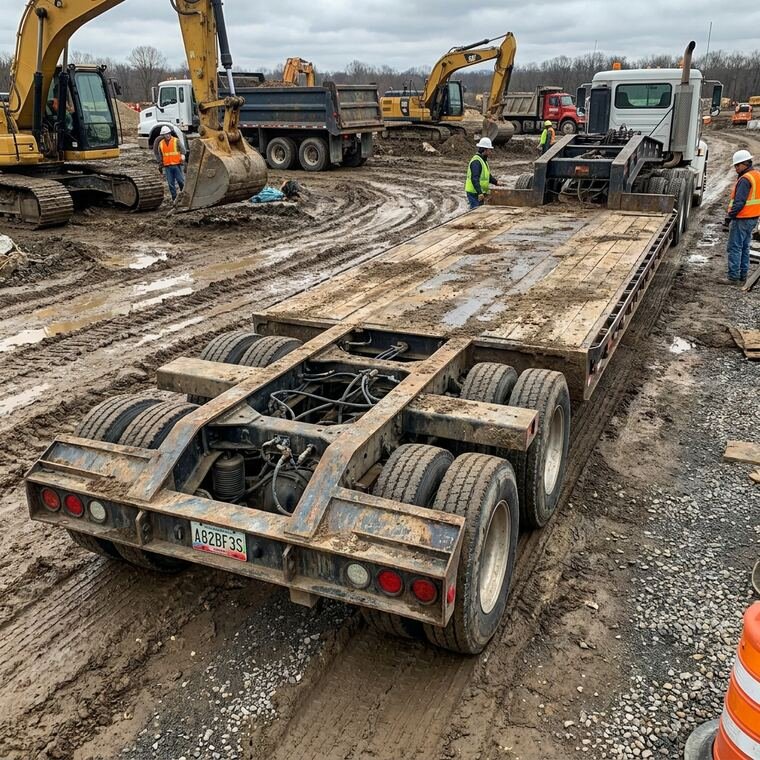
Trailers used on construction sites, farms, landscaping projects, and other outdoor workplaces face constant exposure to mud, rain, dirt, and heavy equipment. These conditions can gradually wear down the deck surface, making material selection an important part of choosing a dependable trailer. The right flooring should provide suitable traction, support the intended cargo, and remain manageable to maintain after repeated use. When comparing trailers for sale Arkansas, understanding the differences between common deck materials can help buyers select a setup that fits their working conditions.
Why Trailer Deck Material Matters
A trailer deck does more than support cargo. It provides the surface where equipment is loaded, positioned, secured, and unloaded. Muddy jobsites create additional challenges because wet soil and debris can collect on the floor and affect traction. Repeated loading can also cause scratches, dents, splits, or other damage.
Heavy machinery places concentrated pressure on certain areas, while sharp equipment edges can wear down the surface over time. Buyers should consider the type of equipment they transport, how frequently the trailer will be used, and how much exposure it will have to moisture. A material that works well for occasional landscaping projects may not be suitable for daily construction work.
Pressure-Treated Wood for General Outdoor Use
Pressure-treated wood is a common trailer decking option because it offers a practical balance of durability, traction, and repairability. The treatment helps protect the lumber against moisture-related deterioration, making it useful for trailers that regularly encounter outdoor conditions. Wood also provides a naturally textured surface that can offer useful grip for rubber tires and work boots.
If a board becomes damaged, it may be possible to replace the affected section without rebuilding the entire deck. However, treated wood is not maintenance-free. Mud, standing water, fertilizer, and other materials can contribute to deterioration if they remain on the surface.
Regular cleaning and inspections help identify soft spots, splitting, loose fasteners, and early signs of rot. For homeowners, landscapers, and general contractors, treated wood can be a practical choice when the trailer carries a variety of equipment and supplies.
Steel Decking for Demanding Jobsites
Steel decking may suit applications involving repeated heavy loading, abrasive equipment, and demanding work environments. A properly designed steel surface can handle substantial wear from machinery and equipment movement. Some steel decks use diamond plate or other textured patterns to improve surface grip.
These designs can be useful when loading equipment, but they do not eliminate slipping hazards. Mud, oil, rainwater, and packed dirt can still make steel surfaces slippery. Weight is another consideration. Steel generally adds more weight than comparable aluminum or wood decking, which can reduce the trailer’s available payload.
Buyers should account for the complete trailer weight and verify its ratings before choosing a heavier deck. Steel also needs protection against corrosion. Scratches, damaged coatings, and exposed areas should be inspected regularly, particularly when the trailer operates in wet environments.
Aluminum Decking for Moisture Exposure
Aluminum is worth considering for buyers who want a lightweight deck with strong resistance to rust. It can be useful for outdoor applications where frequent exposure to rain and moisture makes traditional materials more demanding to maintain. Its lower weight compared with many steel configurations may help preserve available payload capacity. Aluminum surfaces can also be easier to wash after transporting muddy equipment or outdoor supplies.
However, aluminum can dent under concentrated impacts and may require more careful consideration when carrying equipment with narrow tires, sharp edges, or heavy tracks. Textured or specially designed surfaces may improve traction, but buyers should not assume that every aluminum deck provides the same grip. For regular outdoor work, inspect the deck’s construction, support spacing, and manufacturer-approved load capacity before making a decision.
Rubberized and Textured Surface Options
Some trailers offer rubberized decking, rubber-infused boards, or specialized nonslip surface treatments. These options can provide additional traction when equipment is loaded in wet conditions. Rubberized surfaces may also help protect the underlying deck from certain types of abrasion and impact. They can be useful for applications involving wheeled equipment, motorcycles, and tools that need a more secure contact surface. The condition of the coating or rubber layer matters.
Peeling, cracking, or worn sections can reduce the intended benefits. Buyers should also check whether the material is compatible with the equipment and cleaning products used in their work. A textured surface is helpful, but it should never replace proper loading procedures, wheel chocks where appropriate, or correctly rated tie-down equipment.
Consider Cleaning and Drainage Requirements
Muddy jobsites make regular deck cleaning essential. Soil, grass, leaves, and other debris can accumulate around fasteners, seams, and structural components. If left in place, trapped moisture can contribute to corrosion or wood deterioration. Before selecting a trailer, consider how easily its deck can be cleaned.
Smooth surfaces may be convenient to wash, while textured designs can provide traction but sometimes collect dirt in recessed areas. Check whether water can drain away properly rather than remaining trapped against the deck or frame.
After washing, inspect the surface and allow it to dry where appropriate. The trailer’s underside also deserves attention. Mud and debris can collect around crossmembers, suspension components, and other areas that are difficult to see during a quick inspection.
Match the Deck to Your Equipment
The best deck surface depends heavily on what the trailer will carry. Landscaping equipment, compact tractors, skid steers, construction tools, and building materials all place different demands on the loading area. Rubber-tired equipment may work well with properly maintained wood or textured metal surfaces.
Heavy tracked machinery may require a more robust, manufacturer-approved deck construction with suitable structural support. Also consider concentrated loads. Equipment with narrow tires or small contact points can place significant pressure on individual deck sections.
Crossmember spacing and the trailer’s structural design matter just as much as the visible surface material. Always verify the trailer’s GVWR, axle ratings, tire capacities, and deck specifications before loading equipment.
Inspect the Deck Before Purchasing
A careful inspection can reveal whether a trailer is suitable for regular outdoor work. Look for uneven sections, loose boards, damaged coatings, corrosion, and signs of previous repairs. Check the ramps and transition areas because they experience frequent contact with equipment tires and tracks.
Make sure the loading surface remains secure and that the ramps are rated for the intended machinery. Ask the seller about available deck upgrades, maintenance recommendations, and replacement procedures. Understanding these details can help buyers estimate long-term ownership costs.
Conclusion
Choosing a trailer deck for muddy jobsites and outdoor work requires balancing traction, durability, weight, moisture resistance, and maintenance. Pressure-treated wood offers practical versatility, steel supports demanding applications when properly protected, and aluminum provides useful weight savings and corrosion resistance.
Rubberized and textured options can add traction for certain types of equipment. By matching the surface to the cargo and inspecting the complete deck construction, buyers can choose a trailer better prepared for regular outdoor use.