Modern vehicles provide drivers with more information than ever, from current speed and navigation directions to alerts from advanced driver assistance systems. However, checking multiple dashboard displays can sometimes take attention away from the road. A head-up display helps address this challenge by projecting selected driving information into the driver’s forward field of view. For shoppers exploring new Mazda cars for sale, understanding how Mazda’s Active Driving Display works can help them evaluate the convenience and technology available in different models.
What Is Mazda’s Active Driving Display?
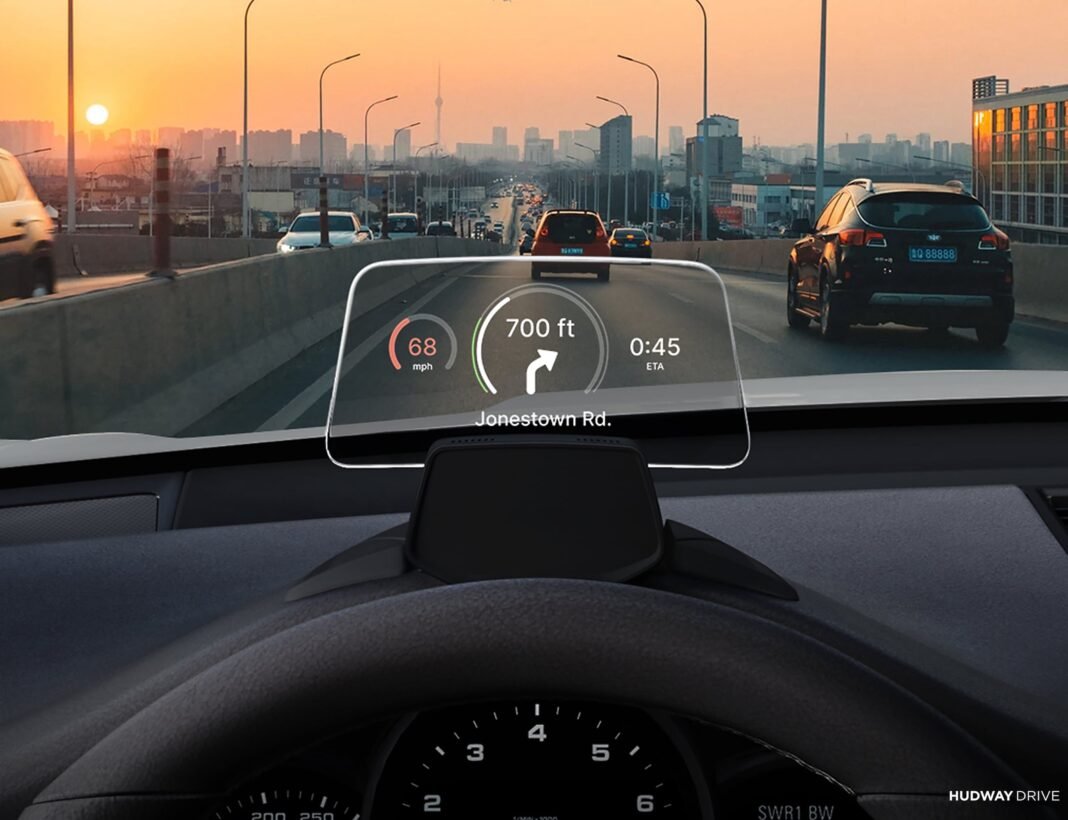
Mazda refers to its head-up display technology as the Active Driving Display. Depending on the vehicle and equipment level, the system projects selected information onto a transparent panel or directly onto the windshield in front of the driver.
Instead of looking down toward the instrument cluster for every detail, drivers can view important information closer to their natural line of sight. The goal is to make essential information easier to monitor while keeping attention directed toward traffic and road conditions.
The exact appearance, available information, and projection method can differ by model year and trim. Some versions offer a windshield-projected display, while other configurations may use a separate transparent display panel.
Monitoring Vehicle Speed More Conveniently
Speed is one of the most frequently checked pieces of driving information. A head-up display can show the vehicle’s current speed within the driver’s forward view, reducing the need to glance repeatedly at the traditional instrument cluster.
This can be useful when driving through changing speed zones, traveling on unfamiliar roads, or maintaining a consistent pace on highways. Seeing speed information in a convenient location may also help drivers monitor their driving habits more naturally. Some equipped Mazda models combine speed information with traffic sign recognition.
When supported by the vehicle’s equipment and operating conditions, the display may show recognized speed-limit information to provide another helpful reference. Drivers should still observe posted signs and local traffic regulations.
Navigation Information Without Frequent Screen Checks
Navigation systems are particularly useful on unfamiliar routes, but repeatedly looking toward a center infotainment screen can interrupt a driver’s view of the road. Certain Mazda Active Driving Display systems can present turn-by-turn directions and other navigation-related information in the driver’s forward field of vision.
This can make approaching intersections, highway exits, and route changes easier to anticipate. Rather than repeatedly shifting attention between the road and the center screen, drivers may be able to check a brief direction while looking ahead.
The information available depends on the navigation system, vehicle configuration, and connected services. Drivers should review the specific model’s equipment details to understand which navigation functions are supported.
Driver Assistance Alerts Within the Forward View
Modern Mazda vehicles offer driver assistance technologies designed to help drivers recognize certain potential hazards. Depending on the model and trim, compatible Active Driving Display systems may show information related to features such as lane departure warnings, traffic sign recognition, and other assistance systems.
For example, a visual alert can help communicate when a supported system detects a condition that requires the driver’s attention. Displaying selected alerts closer to the driver’s normal sightline can make information easier to notice.
These systems are designed to support attentive driving, not replace it. Drivers must continue checking mirrors, observing surrounding traffic, maintaining safe distances, and responding appropriately to changing road conditions.
Mazda Models That May Offer Head-Up Displays
Several Mazda vehicles have offered Active Driving Display technology, although availability varies by model year, trim, and market. The Mazda CX-5 is one example. Certain configurations offer a windshield-projected display that can show driving information and selected safety-related alerts. The 2026 CX-5 lineup includes the Active Driving Display on specified trim levels, making equipment comparisons important when shopping.
The Mazda CX-50 has also offered a head-up display on selected trims. This feature can complement its combination of everyday practicality and driver-focused technology. The larger Mazda CX-70 and CX-90 lineups have offered Active Driving Display equipment on certain configurations as well.
These SUVs may appeal to drivers who want additional cabin technology alongside their passenger and cargo space. Mazda model names and feature packages can change between years. Buyers should verify the window sticker or official equipment list for the exact vehicle rather than assuming every version includes a head-up display.
Adjusting the Display for Driving Comfort
A head-up display is most useful when its position and brightness are comfortable for the driver. Depending on the system, drivers may be able to adjust the display’s height, brightness, and other presentation settings through the vehicle controls. Correct positioning helps ensure that information appears in a convenient area without obstructing the driver’s view.
Drivers who share a vehicle may also need to adjust the display when changing seating positions. It is worth exploring these settings during a test drive. A few minutes spent understanding the available adjustments can help drivers determine whether the display feels natural and easy to read.
Why Compare the Feature During a Test Drive?
Specifications explain what a head-up display can do, but experiencing it in the vehicle provides a better understanding of its usefulness. During a test drive, shoppers can check how clearly speed and navigation information appear, whether the display is easy to read in different lighting conditions, and how conveniently its settings can be adjusted.
It is also helpful to compare the Active Driving Display with the standard instrument cluster. The two systems serve complementary purposes, and drivers should understand how information is organized across them.
Conclusion
Mazda’s Active Driving Display brings selected driving information closer to the driver’s forward line of sight. By presenting details such as vehicle speed, navigation directions, and compatible driver assistance alerts, the technology can make essential information more convenient to monitor. Models including the CX-5, CX-50, CX-70, and CX-90 have offered this feature on selected configurations. Comparing model years and trims, then experiencing the display during a test drive, helps shoppers decide whether this technology fits their everyday driving needs.