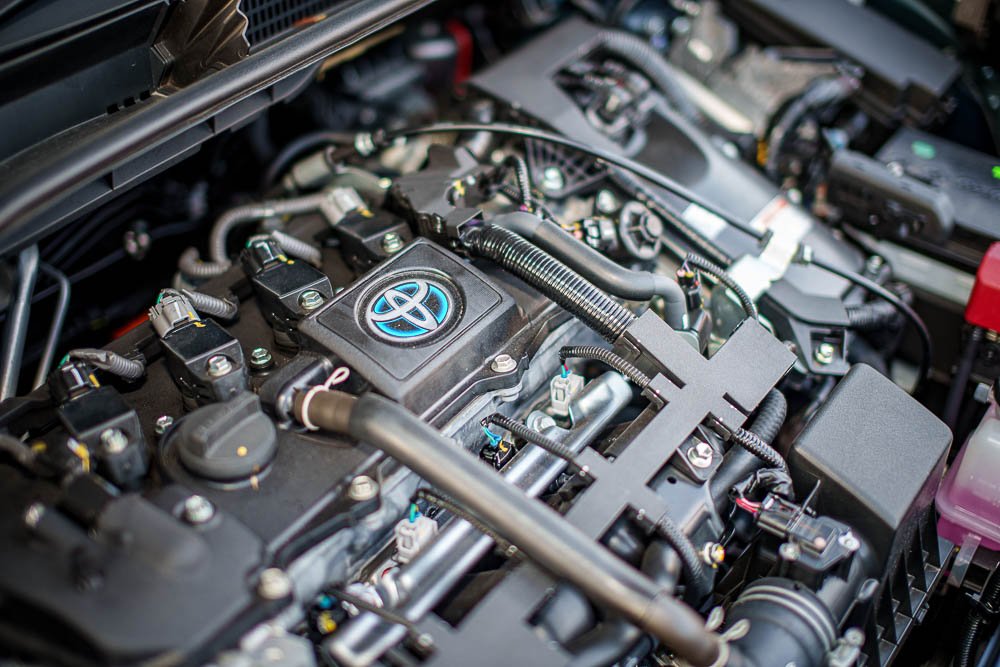
Choosing a Toyota vehicle often involves balancing two important priorities: fuel efficiency and engine power. Some drivers want to reduce fuel stops during daily commutes, while others need strong acceleration for highway merging, carrying passengers, or traveling with extra cargo. Toyota offers different engine and hybrid configurations to accommodate these varied needs. Understanding how each powertrain performs can help shoppers compare options and decide which setup suits their driving habits. Exploring the selection at Toyota dealerships in Ponca City OK can be a useful starting point for comparing available models and engine choices.
Understanding the Difference Between Engine Power and Efficiency
Engine power and fuel efficiency are related, but they measure different aspects of vehicle performance. Horsepower describes how quickly an engine can perform work, while torque measures its rotational force. Torque is particularly relevant when a vehicle accelerates from a stop, climbs a hill, or carries a heavy load.
Fuel efficiency describes how effectively a vehicle uses gasoline to cover a given distance. A vehicle with a smaller engine may consume less fuel under suitable driving conditions, while a larger or more powerful engine may provide additional performance for demanding situations.
However, engine size alone does not determine how a vehicle drives or how much fuel it uses. Transmission design, vehicle weight, aerodynamics, drivetrain configuration, and powertrain technology all contribute to the overall experience.
When Fuel Efficiency Should Be the Priority
Drivers who spend considerable time commuting, navigating busy streets, or making frequent short trips may benefit from an efficiency-focused powertrain. Lower fuel consumption can help reduce regular operating expenses, especially when a vehicle is driven consistently throughout the week.
Toyota’s hybrid technology combines a gasoline engine with electric motor assistance. Depending on the model, the electric motor can help the vehicle move at lower speeds, support acceleration, and recover energy through regenerative braking. This system can be particularly useful in stop-and-go traffic, where conventional engines may spend more time operating inefficiently.
Hybrid vehicles can also provide smooth acceleration and a quieter experience in certain driving situations. Models such as the Prius, Corolla Hybrid, Camry Hybrid, and RAV4 Hybrid illustrate how Toyota applies hybrid technology across different vehicle categories. Availability and specifications vary by model year and trim.
When More Engine Power Makes Sense
Fuel economy is important, but it is not the only consideration when selecting a vehicle. Drivers who frequently travel on highways, carry several passengers, or encounter steep roads may prefer an engine that offers stronger acceleration and responsive performance. A more powerful engine can make highway merging and passing feel more confident.
It may also provide useful capability when the vehicle is carrying additional weight. For drivers who regularly tow equipment or recreational trailers, choosing an appropriately equipped truck or SUV with sufficient towing capacity is especially important.
The Toyota Tacoma and Tundra, for example, serve different truck needs and offer powertrain configurations designed around their respective capabilities. Buyers should compare engine output, torque, towing ratings, and payload limits rather than relying on horsepower alone.
How Toyota Hybrid Systems Balance Both Priorities
Hybrid technology challenges the idea that better fuel efficiency must always mean weaker performance. An electric motor can deliver torque quickly, helping a vehicle respond smoothly when accelerating from a stop. The gasoline engine then contributes power as driving conditions require.
The combined output of a hybrid system depends on the specific vehicle and should be compared using its published system horsepower and performance information. Some Toyota hybrids emphasize everyday efficiency, while other electrified configurations are designed to provide additional performance.
This makes it important to evaluate the complete powertrain rather than judging a vehicle solely by its gasoline engine displacement. A test drive can reveal how naturally the engine and electric motor work together during ordinary acceleration, turns, and highway driving.
Consider Your Typical Driving Conditions
The best engine choice depends heavily on where and how a vehicle will be used. Drivers who spend most of their time in urban traffic may appreciate a hybrid’s ability to reduce gasoline consumption during lower-speed driving. Those who regularly cover long highway distances may prioritize comfortable cruising, passing response, and consistent performance.
Weather, road conditions, terrain, and driving habits also affect fuel economy. Frequent rapid acceleration, heavy cargo, roof accessories, and low tire pressure can increase fuel consumption. Even an efficient powertrain may deliver disappointing results if the vehicle is consistently operated under demanding conditions.
Think about your regular routes and the situations you encounter most often. This practical assessment can make engine comparisons more meaningful than simply choosing the vehicle with the highest advertised horsepower or mileage rating.
Compare Specifications Before Making a Decision
When evaluating Toyota engines, review several specifications together. Horsepower provides an indication of overall output, while torque helps explain how the vehicle responds under load. EPA-estimated city, highway, and combined fuel economy ratings offer a standardized way to compare gasoline and hybrid models.
It is also worth checking the recommended fuel type, transmission, drivetrain, and maintenance requirements. If towing is part of your routine, verify the vehicle’s specific towing capacity and required equipment. Ratings can vary substantially between trims and configurations.
A dealership test drive can help confirm whether the vehicle feels comfortable in real driving situations. Pay attention to acceleration, engine noise, braking response, and how smoothly the transmission operates.
Conclusion
Choosing between efficiency and power does not have to be an either-or decision. Toyota offers gasoline and hybrid powertrains designed for different driving priorities, from economical commuting to responsive acceleration and truck capability. The right choice depends on everyday mileage, road conditions, passenger and cargo needs, and personal driving preferences. By comparing specifications and experiencing different models firsthand, shoppers can select a Toyota that delivers a practical balance of performance and efficiency.