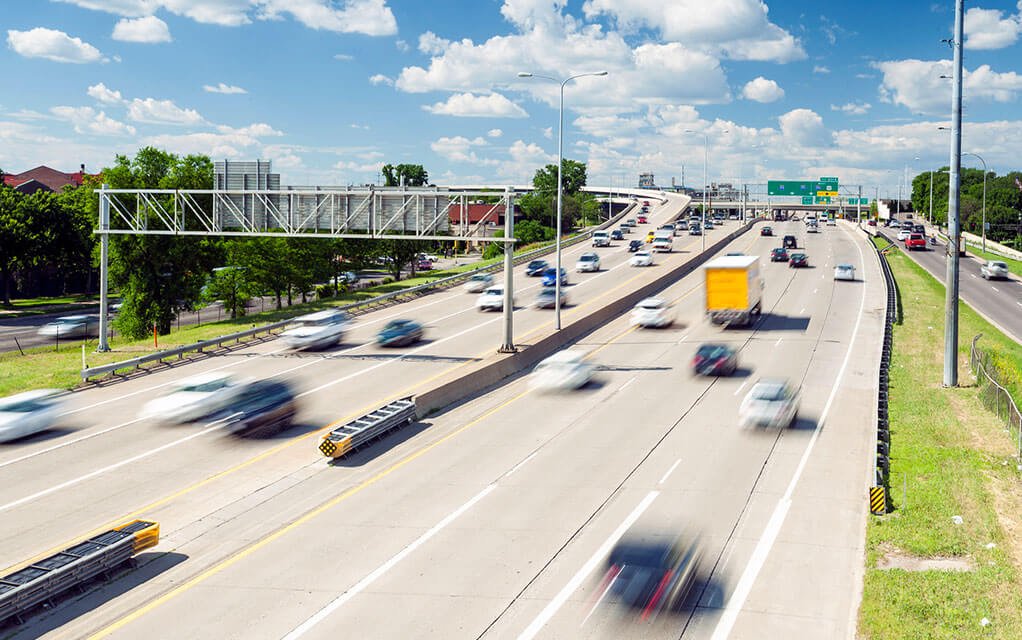
Urban commuting can involve crowded intersections, sudden traffic slowdowns, pedestrians crossing unexpectedly, and limited parking spaces. These conditions require drivers to stay alert and respond quickly throughout the journey. Modern Ford vehicles offer a range of driver-assistance technologies designed to support awareness and make everyday travel more manageable. Drivers researching options through a Ford dealer Tampa can explore how these features may help address common challenges of city driving.
Pre-Collision Assist and Automatic Emergency Braking
Stop-and-go traffic increases the possibility of sudden braking. A driver may need to react quickly when the vehicle ahead slows unexpectedly or a pedestrian enters the road. Ford’s available Pre-Collision Assist with Automatic Emergency Braking is designed to help detect potential collisions with vehicles or pedestrians ahead. The system can provide visual and audible warnings when it identifies a possible hazard.
If the driver does not respond and braking assistance is needed, the system may apply the brakes to help reduce the impact or avoid a collision in certain situations. This technology can provide additional support during busy commutes, although drivers must continue monitoring traffic and maintaining a safe following distance.
Blind Spot Information for Safer Lane Changes
Changing lanes on crowded urban roads can be challenging, particularly when vehicles occupy multiple lanes or approach quickly from behind. Blind Spot Information System technology, commonly known as BLIS, can help drivers become more aware of vehicles traveling in adjacent lanes. Depending on the vehicle and equipment, the system can use visual alerts in the side mirrors to indicate when another vehicle is detected in a blind spot.
Certain newer configurations may also provide additional steering assistance. This feature can be useful when merging onto busy roads, navigating multilane streets, or preparing to exit a highway. However, it does not replace checking mirrors and looking over the shoulder before changing lanes.
Cross-Traffic Alerts in Busy Parking Areas
Urban drivers frequently park in crowded garages, shopping centers, and residential lots where visibility may be limited. Reversing out of a parking space can be difficult when nearby vehicles, pedestrians, or other obstacles block the driver’s view. Available Cross-Traffic Alert technology can help detect approaching traffic from either side while backing up.
The system can provide warnings that help drivers recognize potential hazards before moving into the path of another vehicle. Some Ford models also offer Reverse Brake Assist, which can detect certain objects behind the vehicle and apply braking when necessary. These features can be especially helpful in tight parking environments, but drivers should still reverse slowly and check their surroundings.
Parking Sensors and Camera Systems
Finding and entering a suitable parking space is another common challenge during city commuting. Limited space between vehicles, low obstacles, and narrow garage entrances can make parking stressful. Ford vehicles equipped with rearview cameras provide a display of the area behind the vehicle while reversing.
Depending on the model and trim, additional features may include front and rear parking sensors or a 360-degree camera system. Parking sensors use alerts to help drivers recognize nearby obstacles, while a 360-degree camera can provide a broader view of the vehicle’s surroundings. These technologies can make low-speed maneuvering easier and help drivers judge available space more effectively.
Lane-Keeping Assistance During Daily Travel
Urban routes often include multiple lanes, road markings, construction areas, and frequent changes in traffic flow. Staying centered can become challenging during longer commutes, especially when drivers encounter unfamiliar roads. Available Ford Lane-Keeping System technology can monitor lane markings and provide alerts or steering assistance when the vehicle begins drifting out of its lane without signaling.
Depending on the system, drivers may receive visual, audible, or steering-wheel feedback. This technology can support awareness on roads with clearly visible lane markings. However, it may not operate consistently when markings are faded, covered, or difficult for the vehicle’s cameras to recognize.
Adaptive Cruise Control in Changing Traffic
Although cruise control is often associated with highways, available Adaptive Cruise Control can also help during certain slower-moving traffic conditions. The system uses sensors to help maintain a selected distance from the vehicle ahead and can adjust speed as traffic changes. Some Ford configurations offer Stop-and-Go functionality, allowing the vehicle to slow down or come to a complete stop when traffic requires it.
Depending on the model, Lane Centering may also provide steering assistance to help keep the vehicle positioned within detected lane markings. These features can reduce some of the effort involved in maintaining speed and spacing. Drivers must remain attentive and ready to take control whenever necessary.
Choosing Safety Technology for Your Commute
Not every Ford vehicle includes the same driver-assistance equipment. Feature availability can vary by model, model year, trim level, and optional package. A compact vehicle used for daily downtown travel may have different priorities from an SUV or pickup used for commuting and family transportation. Before choosing a vehicle, consider the roads you travel most often.
Drivers who regularly navigate crowded parking areas may value camera systems and parking sensors, while those who frequently use multilane roads may prioritize blind spot monitoring and lane assistance. It is also useful to understand how each system works, what warnings it provides, and when it may not function as expected. Reviewing the owner’s manual and testing available features during a vehicle demonstration can help clarify their practical benefits.
Conclusion
Ford safety and driver-assistance technologies can provide valuable support during busy urban commutes. Features such as Pre-Collision Assist, blind spot monitoring, Cross-Traffic Alert, parking cameras, Lane-Keeping Assist, and Adaptive Cruise Control address different driving challenges.
Choosing a vehicle with suitable equipment can make everyday travel more convenient while supporting driver awareness. These systems work best when combined with attentive driving, responsible decision-making, and consistent awareness of surrounding traffic.