
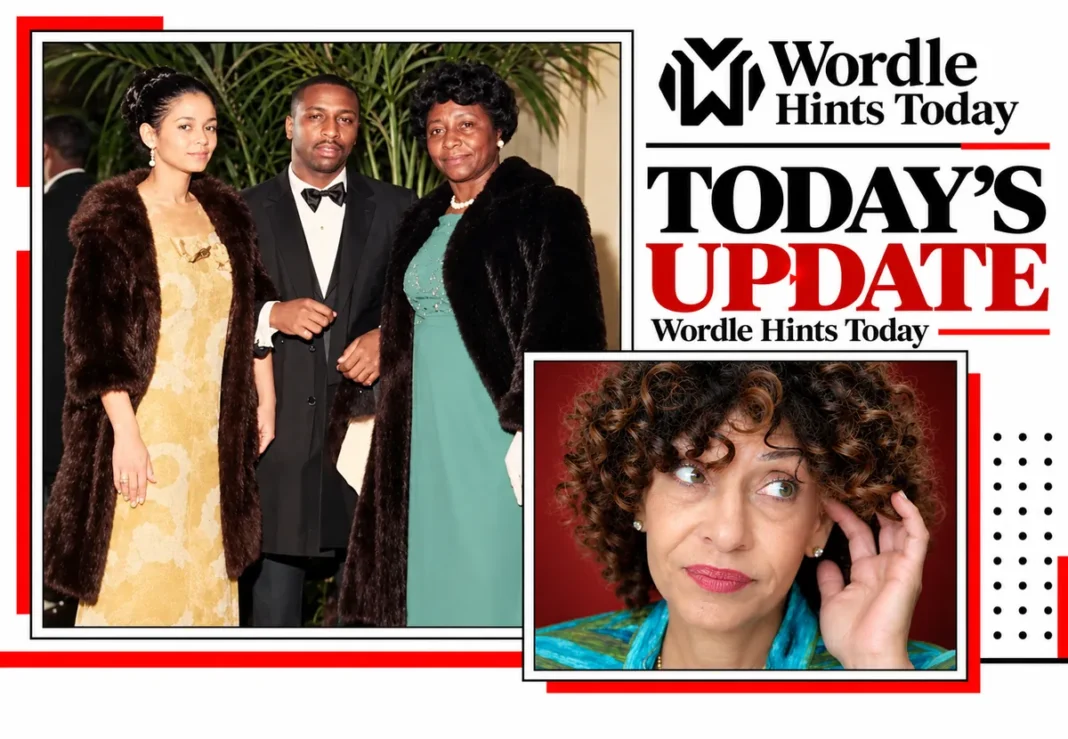
Julianna Farrait, also known as Julie Lucas, is the Puerto Rican woman who married Harlem drug dealer Frank Lucas. Their relationship became part of the history behind the 2007 crime film American Gangster. While Lucas built a heroin operation in New York during the 1960s and 1970s, Farrait later faced drug charges of her own.
Her life included prison terms, years of family separation, and a 2010 cocaine arrest that led to a five-year sentence in 2012. Their daughter, Francine Lucas-Sinclair, later spoke about growing up with incarcerated parents. Farrait attended Lucas’s funeral in 2019. Her whereabouts in 2026 remain unconfirmed.
Who Is Julianna Farrait? Early Life and Puerto Rican Background
Julianna Farrait is a Puerto Rican woman best known for her marriage to Frank Lucas. She also used the names Julie Farrait and Julie Lucas. Federal court reporting identified her by the fuller name Julianna Farrait-Rodriguez.
Farrait grew up in Puerto Rico before becoming connected to New York’s criminal underworld. Little has been established about her childhood, education, or family background before her marriage.
She was reportedly born around 1941. Her exact birth date has not been publicly established through a reliable birth record.
Farrait was a homecoming queen in Puerto Rico. However, she was not a confirmed winner of the Miss Puerto Rico beauty pageant. That title became associated with her after the release of American Gangster.
The distinction comes from the film’s portrayal of her as a national beauty queen. Her real background was more modest than the Hollywood version suggested.
Her public identity changed during the late 1960s when she became involved with Frank Lucas. He was expanding his heroin business in Harlem, where illegal drug sales generated enormous profits.
Farrait later appeared in interviews about their marriage and lifestyle. She also became the subject of criminal investigations that brought her before federal courts.
How Julianna Farrait Met and Married Frank Lucas
Frank Lucas described meeting Julianna Farrait during a flight from Puerto Rico to New York. In his autobiography, Original Gangster, he recalled noticing her and becoming attracted to her.
Their relationship developed during the late 1960s. Their marriage is commonly dated to 1967, although a precise wedding location has not been firmly established.
The couple entered married life as Lucas was building his position in Harlem’s heroin trade. His growing income supported expensive clothing, travel, and a lifestyle far removed from Farrait’s earlier life.
In a 2007 interview, Farrait recalled being attracted to her husband’s confidence. Lucas, meanwhile, described helping her develop a more expensive style of dress.
Their relationship soon became closely tied to his criminal business. Farrait enjoyed the wealth but also faced the legal problems that followed.
Lucas’s autobiography gave considerable attention to his rise in organized crime. Farrait later spoke about the effects of that life on their marriage and family.
Julianna Farrait’s Role in Frank Lucas’s Harlem Drug Empire
During the late 1960s and early 1970s, Frank Lucas controlled a major heroin operation in Harlem. His organization distributed drugs through New York and surrounding areas.
The business sold heroin under the name Blue Magic. Lucas developed a network that bought narcotics from suppliers connected to Southeast Asia.
His associates included members of a group known as the Country Boys. The organization helped distribute heroin and collect profits from illegal sales.
Lucas claimed that his business sometimes earned $1 million per day. This was his own estimate of the operation’s income rather than a verified daily financial figure.
He also claimed to have shipped heroin using military coffins returning from Vietnam. His associate Leslie “Ike” Atkinson disputed parts of that account.
Farrait benefited from the money generated by the drug empire. She lived in a comfortable home, received expensive gifts, and enjoyed luxury travel.
Their wealth allowed the family to purchase designer clothing and high-end vehicles. However, the money came from a criminal operation that was already attracting police attention.
Farrait’s involvement eventually extended beyond enjoying the proceeds. Her actions during the 1975 police raid led to criminal punishment, and she later became involved in a separate drug case.
The couple were sometimes described as the Black Bonnie and Clyde. The nickname reflected their long relationship and shared criminal history, although their legal records involved different acts and sentences.
The Drug Enforcement Administration investigated Lucas’s heroin network alongside local law enforcement. By the middle of the decade, investigators were preparing to dismantle the organization.
Farrait’s later cocaine prosecution established that her own drug-related legal problems continued long after her husband’s original heroin empire had collapsed.
The Chinchilla Coat Incident and Frank Lucas’s Downfall
One of the most famous moments in the couple’s history involved a costly chinchilla coat.
In 1970, Frank Lucas attended a Muhammad Ali boxing event in Atlanta. He reportedly noticed other drug dealers wearing expensive mink coats and wanted to display even greater wealth.
For the 1971 Muhammad Ali and Joe Frazier fight, Farrait arranged a luxurious gift for her husband. The event took place at Madison Square Garden in New York City.
Lucas later described the coat as costing $125,000. He also claimed that its matching chinchilla hat cost another $40,000.
The outfit was an extraordinary display of wealth. Lucas wore it while sitting close to the boxing ring, where he attracted attention from people in the audience.
Frank Sinatra and Vice President Spiro Agnew were among the prominent figures associated with the event. The expensive coat made Lucas especially noticeable.
Law enforcement officers were already investigating drug activity in the city. His clothing added to the attention surrounding his wealth.
Richie Roberts, the prosecutor whose work later became part of American Gangster, explained that such spending made Lucas stand out. Officers earning about $25,000 annually could easily recognize the scale of his spending.
The coat did not cause the investigation by itself. Police already knew about Lucas’s activities, but the public display increased interest in his finances.
Farrait also received expensive gifts from her husband. One was an antique cream-colored Mercedes with a leather interior.
The vehicle represented the couple’s luxurious lifestyle. Their home, clothes, cars, and jewelry reflected the large amounts of money moving through the heroin business.
The gifts became part of the couple’s public image. However, the criminal investigation focused on drug trafficking and the financial proceeds connected to it.
By January 1975, federal agents were ready to move against the operation. The resulting raid brought an end to the family’s period of extraordinary wealth.
Julianna Farrait’s Arrests, Drug Cases, and Prison Sentences
Julianna Farrait’s criminal history involved several separate events. Her first major legal trouble came during the collapse of her husband’s heroin operation. Years later, she faced another drug case in Las Vegas and a federal cocaine prosecution in Puerto Rico.
The 1975 New Jersey Raid and First Prison Sentence
On January 28, 1975, authorities raided the family home in Teaneck, New Jersey. Officers from the New York Police Department and federal narcotics investigators were targeting Frank Lucas’s drug operation.
Farrait panicked as officers entered the property. She threw suitcases containing large amounts of cash through a bathroom window.
Reports of the raid placed the cash at approximately $584,000. The money became part of the evidence connected to the family’s drug-related wealth.
Francine was only three years old when the raid took place. She witnessed officers arresting her father and remembered the frightening scene years later.
Lucas eventually received a lengthy prison sentence for drug trafficking. His punishment included a reported 70-year sentence, which was later reduced.
Farrait also faced prosecution. Her actions during the raid resulted in a six-month jail sentence, as described in her daughter’s 2007 interview with Glamour.
After her release, the family faced a new problem. Lucas had begun cooperating with authorities, creating fears of retaliation against his relatives.
Farrait entered the federal witness protection program with her daughter and another child from Lucas’s family. They moved away from their former home and began living under different identities.
The program offered protection, but it also separated the children from familiar people and places. The family’s wealth had already disappeared, leaving them with far fewer resources.
The 1982 Las Vegas Drug Case and Second Prison Term
After the first period of imprisonment, the couple became involved in another drug-related case.
Around 1982, Farrait took Francine to Las Vegas. The trip appeared to be a short holiday, but her mother was involved in arranging a drug transaction.
They stayed at the Stardust Hotel-Casino. Francine was watching television when an FBI agent entered their room and announced her mother’s arrest.
Other federal agents were already inside the suite. The unexpected arrest ended the trip and separated the child from her mother again.
Farrait returned to prison following the case. Glamour reported that she served approximately four and a half years.
Lucas also received another prison sentence during this period. His reported seven-year term was connected to renewed drug activity after his earlier release.
Francine returned to Puerto Rico and lived with her maternal grandparents. During her parents’ imprisonment, relatives took responsibility for her upbringing.
The separation affected her school years. She later described hiding her parents’ criminal history from friends and struggling with their absence.
Visits were rare. Her mother served part of her imprisonment in West Virginia, while her father was held at a prison in Minnesota.
After Farrait’s release, she moved back to Puerto Rico. Her return allowed Francine to live with her mother again.
This second period of imprisonment formed a separate part of Farrait’s criminal history. It followed the original New Jersey raid and preceded her later cocaine conviction.
The 2010 Puerto Rico Cocaine Arrest and 2012 Five-Year Sentence
Farrait returned to federal custody in May 2010 after investigators accused her of arranging a cocaine sale.
Federal agents in New York had been investigating her activities since February 2009. A confidential informant helped investigators gather information about the suspected drug transaction.
On May 11, 2010, Farrait allegedly discussed cocaine supplies during a recorded conversation. The criminal complaint described two kilograms in her possession.
The same conversation also referred to another suspect who allegedly had eight additional kilograms available for buyers.
On May 19, 2010, Farrait met the informant inside a hotel room in Isla Verde, Puerto Rico. Investigators said she presented the cocaine during the meeting.
Agents from the Drug Enforcement Administration entered the room and arrested her.
The next day, Farrait appeared at a federal courthouse in San Juan. She requested that the judge speak to her in Spanish.
At that stage, prosecutors had charged her with conspiracy to violate federal narcotics law. She had not yet entered a plea.
On May 25, federal magistrate Marcos E. López denied her request for bail. The court also ordered her transfer to New York to face the federal charges.
The case continued for nearly two years before sentencing.
On February 29, 2012, Farrait received a five-year federal prison sentence in Manhattan. Judge Laura Taylor Swain handled the sentencing.
Farrait asked the court for leniency. She explained that her husband was 81 years old and in poor health, and she wanted to spend time caring for him.
The court imposed the five-year term despite her request. This punishment concerned the cocaine case, not the original heroin investigation from the 1970s.
Her legal history can be summarized as follows:
| Year | Case or event | Reported outcome |
| 1975 | Raid on the family home in New Jersey | Six-month jail term |
| Around 1982 | Las Vegas drug case | Approximately four and a half years served |
| 2010 | Cocaine arrest in Puerto Rico | Federal narcotics prosecution |
| 2012 | Sentencing in the cocaine case | Five-year federal prison term |
The 2010 case was Farrait’s own federal drug prosecution. It occurred decades after the collapse of the original Harlem heroin business.
Julianna Farrait’s Children, Stepchildren, and Family Life
Farrait’s family life involved raising children while dealing with the consequences of her husband’s criminal activities.
The family enjoyed considerable wealth during the early 1970s. That changed when arrests, prison sentences, and witness protection disrupted their home.
Children, Stepchildren, and Frank Lucas’s Previous Relationships
Julianna Farrait and Frank Lucas had a daughter named Francine Lucas-Sinclair. She became the most publicly recognized member of their family after speaking about her childhood.
Lucas fathered seven children in total. He had relationships with several women before and during his life with Farrait.
His first marriage was to a woman named Miriam. Farrait later became his second wife.
Frank Lucas Jr. was also part of the extended family. He was sometimes called Yogi and appeared publicly alongside Farrait in later years.
Other children associated with the family include Ray Lucas. Public family listings also identify Betty Lucas and Ruby Lucas. Candace Lucas is another daughter associated with the wider family.
Farrait helped care for children from her husband’s previous relationships. Her role included the daily responsibilities of raising a family while the household was supported by drug profits.
The children experienced a dramatic change after the police raid. Their comfortable home life gave way to separation and uncertainty.
When both parents faced imprisonment, relatives helped provide care. Farrait’s family in Puerto Rico became especially important to Francine during those years.
Francine Lucas-Sinclair, Witness Protection, and Yellow Brick Roads
Francine Lucas-Sinclair was born in the early 1970s. She was three years old when federal agents entered her family’s home in January 1975.
Her father’s arrest became one of her earliest childhood memories. She later described the fear of watching armed officers take him away.
After her mother’s short jail term, Francine entered witness protection with her family. They moved to Albuquerque, New Mexico, and lived under new identities.
Francine used the surname Walters during that period. The program was designed to protect the family from possible retaliation linked to her father’s cooperation with law enforcement.
Their new life lacked the wealth they had previously enjoyed. Francine also struggled with the absence of her imprisoned father.
The family eventually returned to Puerto Rico. There, her grandparents helped provide a more stable home.
The later Las Vegas arrest brought another long separation. Francine again lived with relatives while both parents were incarcerated.
In a September 30, 2007, interview with Glamour, she described how those experiences affected her childhood. She had hidden much of her family history from friends and classmates.
As an adult, Francine decided to help children facing similar situations.
She developed Yellow Brick Roads, a project focused on children of incarcerated parents. Its website offered information about support services and mentoring opportunities.
The project also helped families understand the emotional difficulties caused by imprisonment.
Francine later spoke publicly about her experiences. Her advocacy focused on children who had little control over their parents’ legal problems.
Her work addressed issues such as family separation, shame, limited parental contact, and childhood instability.
For Farrait’s daughter, support for affected children became a way to use her own experiences to help other families.
Marriage After Prison: Separation, Reunion, and Frank Lucas’s Final Years
The couple’s marriage continued through repeated arrests and long periods of separation. Even after the original drug empire collapsed, their relationship remained part of their family history.
Years Apart, Prison Releases, and Their Later Reunion
After Farrait’s imprisonment, she returned to Puerto Rico and lived apart from her husband for several years.
Lucas eventually settled in New Jersey after leaving prison. He maintained contact with his daughter, who later moved to Atlanta.
The couple’s relationship continued despite the years they spent apart.
They reportedly reunited in 2006. Their reconciliation came after several decades of legal problems and periods of imprisonment.
By 2007, they were again living together in New Jersey. Their daughter described them as having rebuilt their relationship.
Farrait also spent time helping care for her grandchildren in Atlanta. She visited Francine’s home often enough to have her own bedroom there.
The family remained connected as Hollywood prepared to release American Gangster.
Lucas had sold the film rights to his life story in 2001. The production brought renewed publicity to events the family had experienced decades earlier.
Farrait was uncomfortable with that attention. She said she preferred avoiding public recognition and experienced panic attacks.
During the film’s release, the couple’s past became widely discussed again. Their marriage had survived prison terms, separation, and the loss of their former wealth.
Frank Lucas’s Health Problems, Death, and 2019 Funeral
In his final years, Frank Lucas experienced serious health problems. He used a wheelchair after injuries and declining mobility affected his daily life.
He also faced health conditions that required ongoing medical care.
Lucas died of natural causes on May 30, 2019. He was 88 years old and had been receiving care in Cedar Grove, New Jersey.
His death received national attention because of his criminal history and the success of American Gangster.
The funeral took place on June 11, 2019, at St. Luke African Methodist Episcopal Church in Newark.
Farrait attended the service with members of the family.
Photographer Johnny Nunez documented her attendance. Getty Images published photographs identifying her at the funeral.
One photograph shows her alongside Frank Lucas Jr. Other images document relatives and mourners attending the service.
The funeral photographs provide a dated public record of Farrait’s presence after her husband’s death.
Julianna Farrait in American Gangster: True Story vs. Movie Portrayal
The 2007 film American Gangster introduced millions of viewers to the story of Frank Lucas.
Directed by Ridley Scott, the crime drama followed his rise as a heroin dealer and his eventual downfall.
Denzel Washington played Lucas. Russell Crowe portrayed Richie Roberts, the investigator and prosecutor connected to his case.
Puerto Rican actress Lymari Nadal played the character inspired by Farrait. The film renamed her Eva Lucas.
The character appeared as a glamorous beauty queen who became involved with a wealthy drug dealer.
In real life, Farrait was a Puerto Rican homecoming queen. The movie’s Miss Puerto Rico background was not an established part of her biography.
The film also portrayed Lucas as an unusually successful heroin supplier. His Blue Magic operation became a major part of the story.
Some events came from his own accounts of the business. The screenplay changed other details to create a more dramatic narrative.
The expensive coat was one recognizable example. In the movie, the garment helped draw police attention to Lucas.
The real coat incident became famous because of its connection to his wealth. However, investigators already knew about his drug activities.
Another major difference involved the family’s children. The film did not fully portray Francine’s experiences during the raid or the later prison years.
Farrait’s subsequent criminal history was also largely absent. Her later involvement in drug cases gave her a legal record beyond the events shown on screen.
| Detail | Real-life account | Film portrayal |
| Wife’s identity | Julianna Farrait | Eva Lucas |
| Beauty-pageant background | Puerto Rican homecoming queen | Miss Puerto Rico |
| Wife’s character | Later faced drug convictions | Mainly shown through the marriage |
| Chinchilla coat | Expensive gift worn by Lucas | Major symbol of conspicuous wealth |
| Family life | Children experienced raids and parental imprisonment | Limited focus on those effects |
| Later cocaine case | Arrested in 2010 | Not covered |
The movie renewed interest in the Lucas family. It also encouraged audiences to connect Farrait’s real life with the fictional character.
Lucas worked with the production as a consultant. His accounts helped shape the screenplay, although not every scene reflected established events.
The film became one of the best-known portrayals of Harlem’s heroin trade during the 1970s.
Farrait’s life, however, continued well beyond the movie’s ending. Her 2010 arrest showed that her legal history had not ended with the original drug empire.
Where Is Julianna Farrait Now? Last Verified Appearance and Current Status
Julianna Farrait’s current whereabouts have not been publicly confirmed as of October 2026.
Her last clearly documented public appearance was at Frank Lucas’s funeral on June 11, 2019.
Getty Images photographed her at the Newark service. The dated photographs establish that she was alive and attended the funeral after her husband’s death.
Farrait had previously lived in Puerto Rico and New Jersey. She also spent time visiting relatives in Atlanta.
Her present residence has not been reliably established.
After the 2012 federal sentence, she received little sustained public attention. The exact date of her release from that sentence has not been independently established in widely available reporting.
No verified recent interview or public statement has established her circumstances in 2026.
There is also no confirmed current estimate of her personal net worth. Her husband’s former drug profits do not provide a reliable measure of her present financial assets.
Farrait was photographed in 2019, but her current living status remains unconfirmed. There is no reliable basis for assigning her a recent death date.
Her public history is better documented through her marriage, criminal proceedings, family interviews, and the photographs taken at her husband’s funeral.
Conclusion
Julianna Farrait became widely known through her marriage to Frank Lucas and his Harlem heroin empire.
Their life together included expensive gifts, criminal investigations, and repeated periods of imprisonment. The original 1975 raid was followed by another drug case in the early 1980s.
Her 2010 cocaine arrest resulted in a five-year federal prison sentence in 2012.
Their daughter later founded Yellow Brick Roads to support children affected by parental incarceration.
The 2007 film American Gangster brought renewed attention to the couple, but it did not fully portray Farrait’s own legal history.
She attended her husband’s funeral in June 2019. Her present whereabouts and living status remain unconfirmed as of 2026.
FAQs
Who was Frank Lucas’ wife?
Frank Lucas’s wife was Julianna Farrait, also known as Julie Lucas. She was a Puerto Rican homecoming queen who later served prison sentences for drug-related offenses.
When did Frank Lucas marry Julianna Farrait?
Frank Lucas and Julianna Farrait are commonly reported to have married in 1967, during the early years of their relationship.
How many children did Frank Lucas and Julianna Farrait have?
Francine Lucas-Sinclair is their documented daughter. Frank Lucas fathered seven children overall, but the exact number of Julianna Farrait’s biological children is not firmly established.
Was Julianna Farrait portrayed in American Gangster?
Yes. Lymari Nadal portrayed a character based on Julianna Farrait in the 2007 film American Gangster. The character was named Eva Lucas.
Did Julianna Farrait have legal problems?
Yes. Julianna Farrait faced several drug-related cases, including arrests connected to 1975 and 2010. Her later cocaine case resulted in a five-year prison sentence in 2012.
What is Julianna Farrait’s net worth?
Julianna Farrait’s personal net worth has not been verified through public financial records, so no dependable figure establishes her current wealth or financial assets.
Is Julianna Farrait still alive?
Julianna Farrait was alive on June 11, 2019, when she attended Frank Lucas’s funeral. Her living status as of October 2026 has not been verified.


[…] Julianna Farrait: Frank Lucas’ Wife, Arrests and Family Life […]