A roof does more than sit on top of your house. It shields your family, protects your belongings, and keeps your energy bills in check. Yet most homeowners don’t think about their roof until something goes wrong — a leak appears, shingles start curling, or a storm leaves visible damage behind.
The truth is, roofs don’t fail overnight. They send warning signs long before a full breakdown occurs. Catching these signs early can save you thousands of dollars in water damage, mold remediation, and structural repairs. It can also mean the difference between a straightforward replacement and an emergency scramble during the next big storm.
This post walks through the clearest indicators that your roof needs attention, what the replacement process actually looks like, and how choosing the right materials and crew can make the entire experience far less stressful than you’d expect.
How Do You Know Your Roof Needs Replacing?
Age is the first clue. Most asphalt shingle roofs last between 20 and 25 years, while metal and tile roofs can stretch past 40 or 50 years with proper maintenance. If your roof is approaching the end of its expected lifespan, it’s worth having it inspected even if nothing looks obviously wrong.
Beyond age, watch for these physical signs:
- Curling or buckling shingles: This usually signals that shingles have absorbed too much moisture or baked under years of sun exposure.
- Missing granules: Shingles shed granules as they age, which you might notice collecting in gutters or at the base of downspouts.
- Daylight through the attic: If sunlight is visible through the roof boards, water can get through just as easily.
- Sagging areas: A roof that dips or sags in sections often points to structural damage underneath.
- Frequent leaks: Occasional leaks might be fixable with a patch, but recurring leaks in different spots usually mean the roof’s overall integrity has declined.
Spotting one or two of these signs doesn’t automatically mean a full replacement is necessary. But together, they paint a picture of a roof that’s no longer doing its job effectively.
What Happens During a Professional Roof Replacement?
Once a decision is made to move forward, the process typically unfolds in a few clear stages. Understanding what to expect can ease a lot of the uncertainty that comes with a home improvement project of this size.
Inspection and Estimate
A thorough inspection comes first. This includes checking the attic for ventilation issues, examining the decking for rot, and assessing the overall condition of the roofing structure. From there, a detailed estimate outlines material options, labor costs, and an estimated timeline.
Material Selection
Homeowners have more choices today than ever before. Asphalt shingles remain popular for their affordability and wide range of styles, while metal roofing appeals to those looking for longevity and energy efficiency. Tile and slate offer a more distinctive look and can last decades longer, though they come with a higher upfront cost.
Removal and Installation
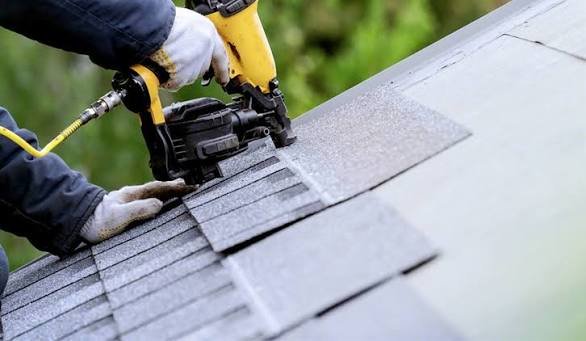
Old roofing materials are stripped away, and the decking underneath is inspected and repaired as needed. New underlayment, flashing, and shingles (or whichever material was chosen) are then installed according to manufacturer specifications. A properly installed roof should also include adequate ventilation to prevent moisture buildup in the attic.
Final Inspection and Cleanup
A reputable crew will walk the property afterward to check for stray nails or debris, and perform a final quality inspection to confirm everything meets code and warranty requirements.
Why Does Professional Installation Matter So Much?
It’s tempting to think of roofing as a straightforward job, but the details matter enormously. Improper flashing around chimneys and vents is one of the leading causes of leaks, and poor ventilation can shorten the lifespan of even the highest-quality shingles. A crew with genuine roofing expertise knows how to avoid these pitfalls and will stand behind their work with a solid warranty.
This is also where working with an experienced team pays off in ways that aren’t always obvious upfront. Beyond the physical installation, a knowledgeable contractor can help homeowners navigate insurance claims after storm damage, recommend materials suited to the local climate, and spot small issues before they become expensive problems.
What Should You Look for in a Roofing Contractor?
Not all roofing companies offer the same level of service, so a bit of research goes a long way. Here are a few things worth confirming before signing a contract:
- Licensing and insurance: This protects you from liability if something goes wrong during the project.
- Local reputation: Reviews and references from homeowners in your area can reveal a lot about reliability and workmanship.
- Warranty details: A strong workmanship warranty, paired with manufacturer coverage on materials, offers peace of mind long after the crew leaves.
- Clear communication: From the initial estimate to the final walkthrough, a good contractor keeps you informed every step of the way.
Protect Your Home With Elevate Roofing Pros
Roof replacement is an investment in long-term home protection, improved energy efficiency, and increased property value, and that’s exactly what Elevate Roofing Pros strives to deliver with every project. From the initial inspection to the placement of the final shingle, the team combines durable, high-quality materials with skilled craftsmanship to ensure your new roof provides dependable performance, withstands changing weather conditions, and keeps your home protected season after season.
Whether your roof is showing its age or you’re dealing with storm damage that needs immediate attention, Elevate Roofing Pros offers transparent estimates, dependable timelines, and a crew that treats your home with the same care they’d give their own. Reach out today to schedule an inspection and see firsthand why so many homeowners trust Elevate Roofing Pros with one of the most important parts of their home.