A cold shower on a winter morning has a way of ruining your whole day. If your water heater has started acting up—making strange noises, leaking, or simply refusing to heat water—you’re not alone. Water heater issues are among the most common household plumbing problems, and they rarely fix themselves.
At Rock Solid Plumbing, we’ve seen it all: tanks that rust from the inside out, thermostats that fail without warning, and pilot lights that flicker out at the worst possible moment. The good news is that most water heater problems are fixable, and catching them early can save you from a much bigger headache (and a much bigger bill) down the road.
This post walks through the warning signs that your water heater needs attention, what typically causes these issues, and why calling in a professional sooner rather than later makes all the difference.
Common Signs Your Water Heater Needs Repair
Your water heater usually gives you warning signs before it fails completely. Here’s what to watch for:
Inconsistent water temperature. If your showers swing between scalding and freezing, your thermostat or heating element may be malfunctioning.
Discolored or rusty water. This often points to corrosion inside the tank, which can lead to leaks if left unaddressed.
Strange noises. Popping, rumbling, or banging sounds usually mean sediment has built up at the bottom of the tank, reducing efficiency and straining the unit.
Water pooling around the unit. Even a small leak is a sign that something inside the tank or its connections has failed.
Reduced hot water supply. If your hot water runs out faster than it used to, your heater may be struggling to keep up with demand.
Ignoring these signs rarely makes them go away. In most cases, the problem gets worse, and what could have been a simple fix turns into a full replacement.
What Causes Water Heaters to Break Down?
Water heaters work hard, often running for years with little attention until something goes wrong. A few common culprits behind the breakdowns we see most often include:
Sediment buildup. Minerals in your water settle at the bottom of the tank over time, reducing efficiency and causing the unit to work harder than it should.
Old age. Most traditional tank water heaters last between 8 and 12 years. Beyond that, parts naturally wear out and become more prone to failure.
Faulty thermostats or heating elements. These components regulate your water temperature, and when they fail, you’ll notice it immediately in the form of lukewarm or cold water.
Corrosion. Over time, the inside of your tank can rust, especially if the anode rod (which protects against corrosion) has worn down.
Pressure issues. A faulty pressure relief valve can cause leaks or, in rare cases, more serious safety concerns.
Understanding the root cause matters because it helps determine whether a repair will solve the problem long-term or whether replacement is the smarter investment.
Why Timely Repairs Matter
Putting off water heater repairs rarely saves money. A small leak can turn into water damage that affects your flooring, walls, or foundation. A minor thermostat issue can strain your unit until it fails completely, leaving you without hot water altogether.
There’s also the safety factor. Water heaters involve both electricity (or gas) and water, a combination that calls for careful handling. A unit with a faulty pressure valve or a gas leak isn’t just inconvenient. It’s a genuine hazard to your home and family.
Beyond safety, there’s also the efficiency angle. A water heater that isn’t working properly often uses more energy to do its job, which shows up as a jump in your utility bills. Addressing the issue promptly keeps your energy costs in check and extends the life of your unit.
How a Professional Plumber Approaches Water Heater Problems
Diagnosing a water heater issue isn’t always straightforward. Symptoms like lukewarm water can stem from several different causes, and figuring out the right fix requires experience and the right tools.
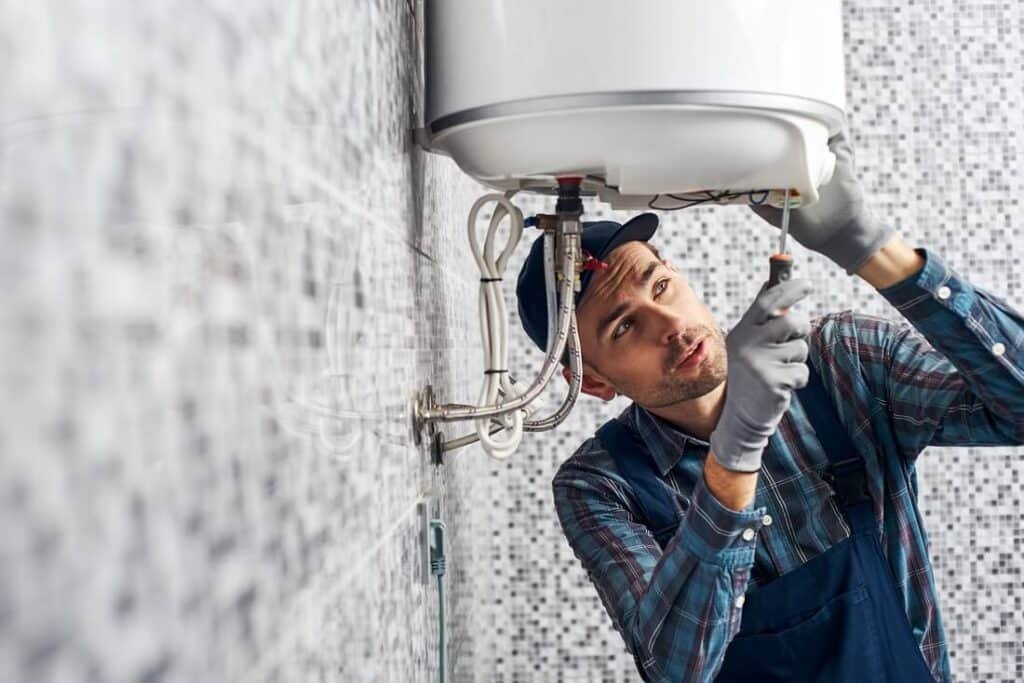
When our team at Rock Solid Plumbing responds to a service call, we start by inspecting the unit from top to bottom. This includes checking the thermostat, heating elements, pressure relief valve, and tank for signs of corrosion or sediment buildup. From there, we walk you through what’s going on in plain language, so you understand exactly what’s wrong and what your options are.
Expert, reliable, and affordable Water Heater Repair starts with an honest diagnosis. We’ll never recommend a replacement when a repair will do, and we’ll never patch something that’s genuinely at the end of its life. Our goal is to get your hot water back up and running quickly, without leaving you with surprises down the line.
When to Call Rock Solid Plumbing
If you’re dealing with any of the warning signs mentioned above, it’s worth getting your water heater checked out before the problem escalates. Here’s a general rule of thumb: if your water heater is less than eight years old and showing one isolated issue, repair is often the better option. If it’s older and experiencing multiple problems at once, replacement might make more financial sense in the long run.
Either way, you don’t have to figure it out alone. Our team is available to inspect your system, explain your options clearly, and get the job done right the first time.
Don’t wait for a minor issue to turn into a major repair bill. Reach out to Rock Solid Plumbing today, and let’s get your hot water flowing reliably again.