There’s a particular kind of dread that comes with flipping on your air conditioner for the first time after months of silence, only to hear a rattle, a hiss, or worse, nothing at all. Cooling systems don’t fail without warning. They send signals for weeks, sometimes months, before they finally give out on the hottest day of the year.
That’s exactly why routine maintenance matters so much. A well-maintained cooling system doesn’t just keep your home comfortable; it protects your wallet, your indoor air quality, and the lifespan of equipment you’ve invested real money into. At ECI Comfort, we’ve seen firsthand how a little preventative care can save homeowners from costly breakdowns and uncomfortable surprises.
This post walks through what happens during a professional maintenance visit, why it’s worth scheduling before the heat sets in, and how small adjustments now can prevent major headaches later.
What Actually Happens During a Cooling System Checkup?
Many homeowners assume maintenance is just a quick glance at the unit. In reality, a thorough inspection covers dozens of components that work together to keep your home cool.
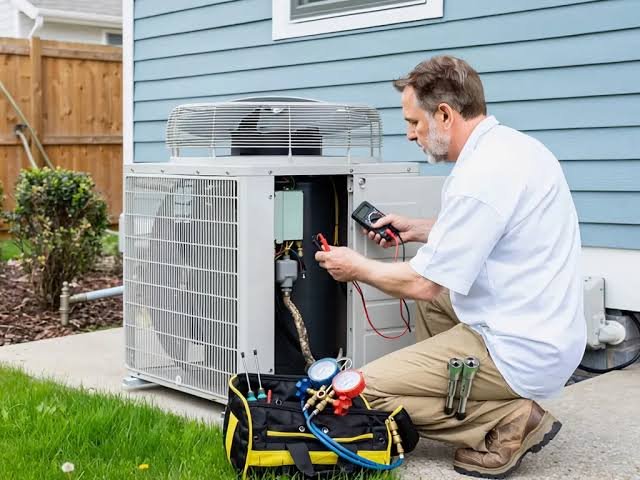
Technicians typically check:
- Refrigerant levels to ensure the system isn’t low, which can strain the compressor and reduce cooling power
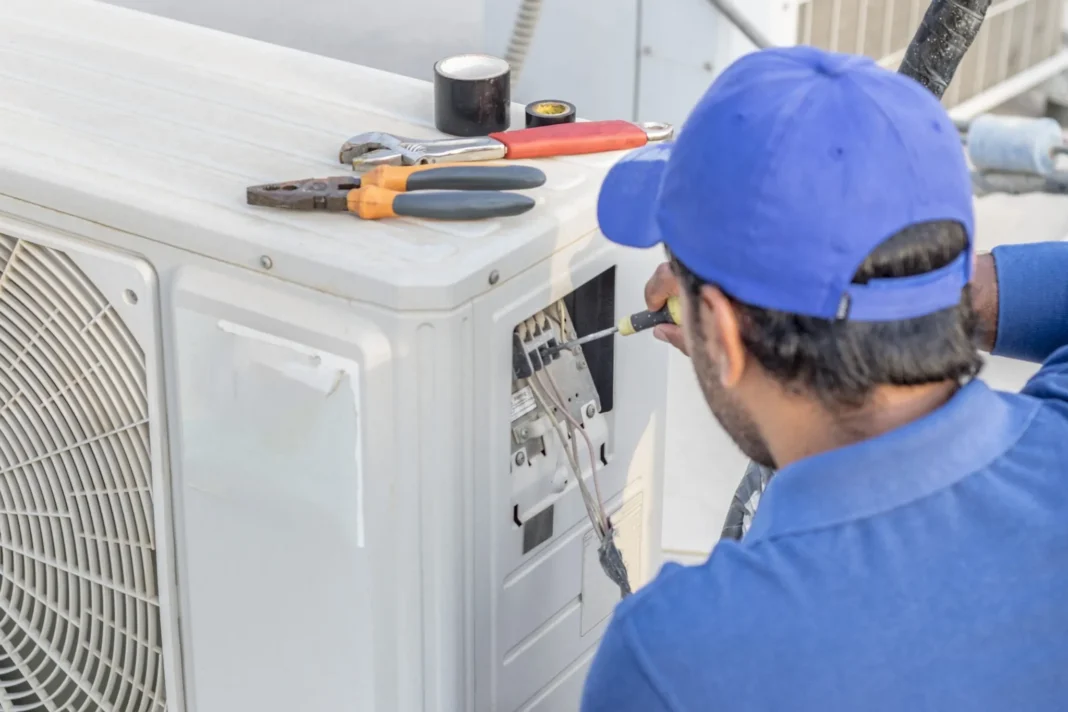
- Electrical connections for signs of wear, corrosion, or loose wiring that could lead to failure
- Condenser and evaporator coils for dirt buildup, which forces the system to work harder than necessary
- Air filters to confirm proper airflow and catch restrictions before they become bigger issues
- Thermostat calibration to make sure the temperature readings match what’s actually happening in your home
- Condensate drain lines to prevent clogs that can lead to water damage or humidity problems
Each of these steps plays a role in how efficiently your system runs. Skip one, and you might not notice immediately, but the effects tend to show up later in the form of higher bills or premature wear.
Why Energy Bills Climb When Maintenance Gets Skipped
A cooling system that hasn’t been serviced in a while doesn’t just risk breaking down. It also quietly drains more energy than it should. Dirty coils, for example, make the system work harder to achieve the same level of cooling, which translates directly into higher utility costs.
According to the U.S. Department of Energy, properly maintained HVAC systems can use up to 15% less energy compared to neglected ones. That’s a meaningful difference over the course of a cooling season, especially for households running their AC daily through the warmer months.
Beyond the financial side, inefficient systems also tend to cycle on and off more frequently. This creates uneven temperatures throughout the home and puts additional stress on components like the compressor, which is one of the most expensive parts to replace.
How Regular Service Extends the Life of Your System
Cooling systems are built to last, but like any mechanical equipment, they perform best when cared for consistently. Think of it the way you’d think about a car. Skipping oil changes doesn’t cause immediate failure, but it shortens the engine’s lifespan and increases the odds of a breakdown at the worst possible time.
The same logic applies here. Components that are cleaned, lubricated, and inspected regularly experience less friction and strain. This reduces the likelihood of major repairs and helps homeowners get closer to the full expected lifespan of their system, which, depending on the unit, can range from 12 to 17 years with proper care.
Catching small issues early also matters. A minor refrigerant leak or a worn belt is far less expensive to fix than the cascading damage that can occur if those problems go unaddressed for an entire season.
Signs It’s Time to Schedule a Professional Visit
Not sure if your system needs attention? A few warning signs are worth paying attention to:
- Warm air blowing from vents despite the thermostat being set low
- Unusual noises like grinding, clicking, or buzzing
- Higher than usual humidity levels indoors
- A noticeable spike in your energy bill without a change in usage
- Weak airflow coming from certain rooms but not others
Any of these symptoms can indicate an underlying issue that a trained technician can identify quickly. Waiting too long often turns a simple fix into a more involved repair.
The Comfort and Peace of Mind That Comes With Proactive Care
A yearly check-up that keeps your home consistently cool while helping you avoid unexpected repair costs is something every homeowner should prioritize, and scheduling an AC Tune Up is one of the simplest ways to get there. It’s a small investment of time that pays off in comfort, efficiency, and reliability throughout the entire cooling season.
Homeowners who stay ahead of maintenance typically report fewer emergency service calls, more predictable energy bills, and a system that performs consistently even during heat waves. There’s real value in knowing your AC is ready to handle whatever the summer throws at it, rather than hoping it holds up.
At ECI Comfort, our technicians take the time to inspect every component thoroughly, explain what they find in plain language, and recommend solutions that fit your home’s specific needs. We believe comfort shouldn’t be complicated, and a well-cared-for system is the foundation of a comfortable home.
Making the Most of Your Cooling Season
Summer heat isn’t going anywhere, but a breakdown doesn’t have to be part of the forecast. Taking a proactive approach to your cooling system means fewer surprises, lower energy costs, and a home that stays comfortable no matter how high the temperature climbs outside.
If it’s been a while since your system was last inspected, now is a good time to get ahead of the season rather than react to a problem once it’s already uncomfortable indoors. A quick call to a trusted local team can make all the difference between a smooth summer and a stressful one.