When a construction project fails to meet timeline, budget, or quality expectations, the root cause often traces back to decisions made long before the first shovel touches the ground. A building’s foundation is not merely concrete and steel. It is the product of careful planning, strategic thinking, and intentional design choices made during the pre-construction phase. These decisions shape everything from project costs and safety protocols to occupant satisfaction and long-term maintenance requirements. Understanding why thoughtful design matters before construction begins can mean the difference between a project that runs smoothly and one that encounters costly setbacks.
Planning and Preventing Costly Mistakes
The design phase offers a critical window to identify and solve problems on paper rather than in the field. When architects and engineers take time to thoroughly evaluate a project’s requirements, they can anticipate challenges and adjust plans accordingly. For example, a careful review of site conditions might reveal soil composition issues that would otherwise require expensive corrective measures once excavation begins. Similarly, detailed utility mapping during design prevents accidental damage to underground infrastructure that could delay construction for weeks and add substantial costs.
Many construction delays stem from poor coordination between different trades and systems. Thoughtful design integrates these elements from the start, ensuring that electrical systems, plumbing, HVAC, and structural elements work together efficiently rather than creating conflicts during installation. When designers spend time coordinating these details in advance, contractors can follow a clear plan without improvisation. This coordination also reduces waste, as materials and labor are deployed more efficiently when everyone understands exactly what needs to happen and in what order.
Creating Functional and Efficient Spaces
Design decisions directly influence how well a completed building functions for its users. A thoughtful layout considers workflow, natural light, acoustics, and accessibility from the earliest sketches. Office buildings benefit enormously from designs that promote collaboration while respecting the need for focused work. Healthcare facilities require careful attention to infection control, patient privacy, and efficient staff movement between departments. A building that fails to address these functional needs during design can frustrate occupants and require expensive renovations years later.
Energy efficiency represents another dimension of functionality that must be embedded in design, not added as an afterthought. Strategic placement of windows, insulation choices, mechanical system design, and material selection all influence operating costs over the building’s lifetime. Residential designers in particular must account for how custom modern home design can effect air quality and health, ensuring that ventilation strategies and material choices are evaluated during planning rather than corrected after occupants move in. A well-designed building consumes less energy, reducing utility bills and environmental impact. These efficiencies are hardest and most expensive to retrofit into an existing structure, making the design phase the optimal time to establish sustainable performance standards.
Supporting Safety and Compliance
Construction safety begins with thoughtful design that identifies hazards and eliminates or mitigates them before work starts. Designers who carefully consider site access, equipment movement, and staging areas create conditions where workers can perform their jobs with lower risk. A design that anticipates seasonal challenges, such as drainage during heavy rains or wind exposure during tall frame construction, allows contractors to plan protective measures in advance.
Building codes and regulations exist to protect occupants and construction workers alike. Thoughtful design ensures compliance with these requirements rather than forcing last-minute changes that disrupt schedules and increase costs. When designers have thoroughly reviewed applicable codes and worked with building officials early, contractors rarely encounter surprises during inspections. This proactive approach also reduces liability exposure and ensures that the finished building meets all legal requirements for its intended use.
Establishing Clear Communication and Expectations
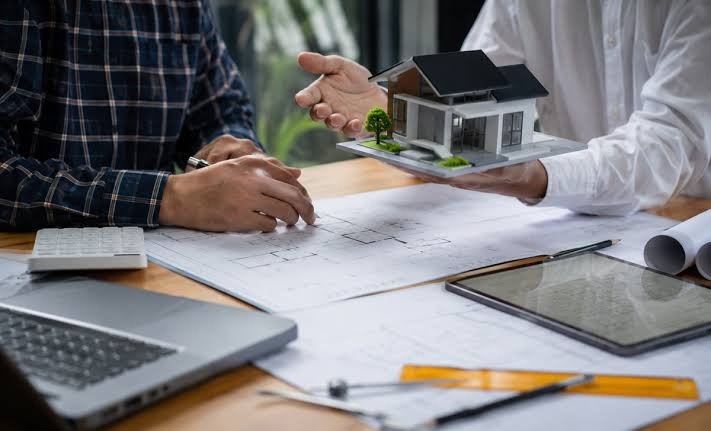
Good design documents serve as a shared reference that keeps all parties aligned throughout construction. Detailed plans, specifications, and drawings leave little room for misinterpretation about what needs to be built and how it should be executed. When a contractor has comprehensive design information, they can provide accurate cost estimates, realistic timelines, and reliable performance guarantees. Vague or incomplete designs, by contrast, invite uncertainty that often leads to disputes and change orders.
Construction teams also benefit from design clarity because it allows them to sequence work logically and procure materials efficiently. When a building’s design is well thought out, suppliers understand what materials are needed and when they will be required. This coordination between design, procurement, and construction reduces project duration and minimizes the storage and handling of materials on site. Clear expectations also improve quality, as contractors understand precisely what the finished product should look like and how different elements should be executed.
Building Long-Term Value and Durability
A building designed with attention to construction methods and material performance typically requires less maintenance and lasts longer than one built to minimum specifications. Designers who consider maintenance access, material durability, and seasonal exposure create structures that serve their intended purposes for decades. For example, careful detail design around joints, water penetration points, and wear surfaces reduces the need for costly repairs and replacements throughout the building’s life.
Thoughtful design also considers the building’s future adaptability. Spaces that can be reconfigured without major structural changes prove more valuable as occupancy needs shift over time. A commercial office building designed with flexibility survives changing market demands better than one designed for a single, rigid purpose. This forward-thinking approach to design protects the owner’s investment and extends the asset’s useful life.
Conclusion
Thoughtful design before construction begins is not an optional luxury that can be rushed or minimized to save money. It is an investment that prevents costly mistakes, ensures functional spaces, protects safety, clarifies expectations, and builds lasting value into the final structure. Every dollar spent on careful planning and detailed design typically returns multiple dollars in savings during construction and operation. Projects that prioritize this pre-construction phase experience fewer delays, stay closer to budget, achieve higher quality, and ultimately deliver better outcomes for all stakeholders involved.
When construction teams receive clear, well-coordinated design documents, they can focus on efficient execution rather than problem-solving and improvisation. The result is a building that performs as intended, serves its occupants well, and protects the owner’s investment for years to come.