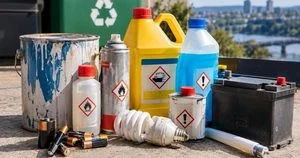
Household waste is not always as simple as putting unwanted items into a general rubbish bin. Paint tins, cleaning chemicals, batteries, aerosols, and certain electrical products can contain substances that pose risks to people, animals, and the environment if handled incorrectly.
For households in Hamilton, knowing how to identify hazardous waste and where it belongs can prevent accidents and keep harmful materials out of normal waste streams. Safe disposal also helps waste facilities handle materials correctly and reduces the chance of contamination.
1. Identify Hazardous Waste Before Clearing Your Home

The first step is to separate potentially dangerous products from ordinary household rubbish. Hazardous household waste can include materials that are toxic, corrosive, flammable or reactive.
Common examples include:
- Paint, varnish and paint thinners
- Strong cleaning chemicals
- Weed killers and pesticides
- Fuels and oils
- Adhesives and solvents
- Aerosol cans
- Batteries
- Fluorescent tubes and certain light bulbs
- Certain electrical and electronic equipment
- Automotive fluids
Check product labels for warning symbols and safety instructions. If you are unsure about an item, keep it separate until you can confirm the correct disposal method.
Avoid mixing different chemicals together. Some substances can react when combined and may release dangerous fumes or generate heat.
2. Separate Hazardous Materials From General Rubbish
Once you’ve identified hazardous products, keep them away from normal household and renovation waste. This is particularly important during home clear-outs and improvement projects. A garage clearance, for example, could produce old paint, solvents, batteries and cleaning products alongside timber, cardboard and unwanted furniture.
Sort these materials before any waste collection or skip arrives. If you are arranging skip hire Hamilton services for a renovation or property clearance, check the provider’s accepted waste list before loading the container.
Waste companies often have specific restrictions for chemicals, fuels, asbestos, gas cylinders and other hazardous materials. Separating these items early also prevents accidental contamination of recyclable or general waste.
3. Store Hazardous Waste Safely Before Disposal
If you can’t take hazardous materials to an appropriate facility immediately, store them carefully. Keep chemicals in their original containers whenever possible, with the labels intact. Store containers upright in a secure, dry, well-ventilated area away from children, pets, and sources of heat.
Never transfer chemicals into food or drink containers. This can create a serious risk of accidental ingestion. Batteries also need careful handling. Loose batteries can come into contact with metal objects and create a fire risk.
Keep them separate from other rubbish and follow local guidance for battery recycling. Check containers for leaks before moving them. If a container is damaged or leaking, avoid direct contact with the contents and seek advice from an appropriate waste service.
4. Take Paint and Chemicals to the Appropriate Facility
Paint, solvents, oils and strong cleaning products should not be poured down sinks, toilets or outdoor drains. These substances can enter water systems and create environmental risks. Instead, check the product label and local waste guidance to find the appropriate collection point or disposal facility.
Paint is particularly common after decorating projects. Even when only a small quantity remains, handle it according to the requirements for that specific product. Keep leftover paint sealed and clearly labelled while you wait to dispose of it. Do not combine different paints or chemicals to reduce the number of containers.
Empty containers can have different disposal requirements depending on their contents and local recycling rules, so check the relevant guidance before putting them into your household recycling.
5. Check Skip Restrictions Before Hiring a Container
Skips can make household clear-outs and renovation projects considerably easier, particularly when there is a large volume of general waste to remove. A 14 yard skip can provide substantial capacity for permitted materials such as timber, furniture, plasterboard and other household or construction waste.
For larger commercial and construction projects, a roll on roll off skip can accommodate significantly greater quantities of suitable waste. These containers are designed for high-volume projects where standard skips may not provide enough capacity. The container size does not change the rules around hazardous materials. Chemicals, fuels, asbestos and other restricted products may require specialist disposal.
Before arranging a skip, provide the waste company with an accurate description of what you intend to dispose of. This allows them to recommend a suitable container and explain any restrictions that apply.
6. Follow the Correct Disposal Route
Different types of hazardous waste can have different disposal requirements. Batteries may have designated recycling points, while chemicals and fuels can require specialist facilities. Electrical equipment can also contain components that should not enter ordinary household waste. Separate these items during a clear-out and check local guidance for the correct collection route.
If you come across an unfamiliar substance, avoid opening or handling it unnecessarily. Keep it isolated from other waste and seek professional advice about safe disposal. This approach is especially useful when clearing older garages, sheds, workshops or properties that have accumulated products over many years.
7. Keep Hazardous Waste Out of Ordinary Collections

The safest approach to household hazardous waste is simple: identify it early, separate it from general rubbish and arrange the correct disposal route. These precautions can protect household members, waste workers, and the environment. It also prevents restricted materials from becoming mixed with large quantities of general waste during a property clearance or renovation.
Before booking a waste collection in Hamilton, check the provider’s accepted materials and explain any hazardous products you have identified. A few minutes spent sorting waste can prevent problems later and help ensure the entire clearance is handled safely.
Plan Your Waste Disposal Safely
Hazardous waste needs careful handling before it leaves your property. Separating chemicals, batteries and other restricted items early helps prevent contamination, rejected collections and unnecessary risks during waste handling.
Before arranging a collection in Hamilton, check disposal requirements and confirm which materials your provider accepts. Good planning keeps your clearance safer and helps ensure each type of waste reaches the right disposal route.