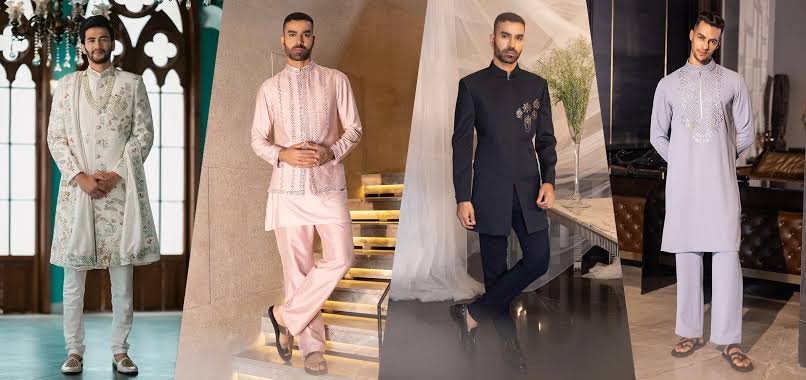
When wedding invitations and family celebration plans arrive, the same question comes up: what should you wear? Most people start with the silhouette: a lehenga, an anarkali, a sherwani or a sharp Nehru jacket. But anyone who has stood in front of a mirror under bright wedding lights knows the silhouette is only half the story. The cloth decides how an outfit moves, how it photographs and whether you can still breathe by the third hour of the celebration.
Here is a practical look at choosing festive fabrics, whether you are dressing for a family function in Leicester, a family gathering in Southall or a winter wedding anywhere in the world.
Start with the occasion, not the colour
Colour tends to win the shopping trip, yet the occasion should lead. A daytime family gathering or lunch calls for something light and forgiving. An evening reception under spotlights calls for richness and structure. A winter ceremony in a cold hall calls for warmth that does not look bulky.
Ask three quick questions before falling for a shade: how long will I be wearing this, will I be sitting, walking or standing, and what is the weather doing? The answers narrow the field far more than a colour card ever will.
Easy elegance for long days
For functions that stretch from morning gatherings to late lunches, comfort matters more than most people admit. Look for wrinkle-resistant fabrics that drape beautifully without clinging. Cloths with a softly crinkled surface are especially useful, because they forgive hours of sitting, travelling and hugging relatives, and still look composed in photographs.
They also take colour and print well, which is why they suit salwar suits, co-ord sets, palazzos and simple kurtas. Pair a plain piece with a statement dupatta and the outfit feels deliberate rather than basic. If you are stitching rather than buying ready-made, these cloths are kind to beginners too, since they hold their shape on the machine and do not slip around like glossy satins.
Where the drama comes from
Sometimes you want the outfit to do the talking, and heavier, richly woven cloths earn their place. Pieces made from heavily woven festive cloths with raised patterns carry metallic threads, florals and paisleys in the fabric itself, so the glamour does not depend on embellishment sewn on afterwards.
The structure is the point. A woven pattern gives a waistcoat, jacket or lehenga skirt body, and it catches the light in a way printed designs cannot. These fabrics also tend to feel warmer, which suits November and December ceremonies. A tailored jacket in this kind of cloth, worn over a plain kurta, is one of the easiest ways to look dressed up without looking overdone.
Match the fabric to the climate
In much of India, October and November are mild, so festive wardrobes can stay light. In the UK the same celebrations often fall on cold, damp evenings, so layering becomes part of the styling:
- Mild weather: choose lightweight cloths with a good fall and let the dupatta do the decorating.
- Cool evenings: look at denser weaves or plush textures, and add a fitted jacket or shawl.
- Cold venues: pick heavier fabrics and think about sleeves, linings and hemlines so the outfit still moves well.
- Hot, crowded halls: go for breathable linings and avoid anything stiff against the skin.
Think about movement and photographs
A wedding is a long run of moments: the arrival, the ceremony, the family greetings and the group photographs. Stiffer cloths look wonderful standing still but can feel restrictive during a long event. Very fluid cloths move beautifully but can show every crease after a long drive.
The sweet spot is usually a fabric with some weight and some give. Drape a metre over your arm, crumple a corner in your fist and see how quickly it recovers. It is a thirty-second test that tells you more than the label does.
A quick checklist before you buy
- Decide the occasion, the weather and how long you will wear the outfit.
- Pair one plain piece with one richly patterned piece rather than two busy ones.
- Add a good lining, as it improves the fall of almost any outfit.
- Buy a little extra for pattern matching and hem allowances.
- Wash-test an offcut, especially with blends, before cutting the real thing.
- Choose jewellery and footwear last, once the fabric is in hand.
Frequently asked questions
Which fabric is best for a long wedding day?
A lightweight cloth with a soft drape and good crease recovery is the safest choice. It stays comfortable while sitting, walking and travelling, and still photographs well.
What should I wear to a winter wedding?
Choose a heavier, structured fabric and layer it with a fitted jacket or shawl. Richly woven cloths add warmth without looking bulky.
How early should I order fabric from overseas?
Allow around a month of buffer. The cloth needs time to arrive, to be washed or steamed and to reach your tailor before the big day.
Make the occasion yours
The best festive outfit is rarely the most expensive one. It is the one where the fabric suits the occasion, the weather and the person wearing it. If you are sourcing cloth from overseas, FabCouture is an Indian fabric store that ships worldwide and keeps thousands of designs, which makes it easy to compare textures and prices from anywhere. Check the width, fibre content and return policy before you pay, and the silhouette will look after itself.