Introduction
Working at height is a regular part of many construction, installation and property maintenance projects. Replacing lighting, fitting building components, decorating high ceilings and maintaining commercial premises can all require access to elevated working areas. Although these jobs may appear straightforward, the equipment chosen can influence productivity, site organisation and worker safety.
Contractors must consider more than how high a platform can reach. The available floor space, access routes, equipment capacity and nature of the task all affect which solution is appropriate. Careful preparation before hiring machinery can help reduce interruptions and make the working day more manageable.
For businesses that need access equipment only for specific jobs, hiring provides an alternative to buying and maintaining expensive machinery.
Start With the Nature of the Work
The first step in planning an elevated task is to establish exactly what needs to be done. A brief inspection of the site can reveal practical requirements that may not be obvious from the original project description.
For example, an electrician installing lights in a warehouse may need to move between several working positions throughout the day. A maintenance contractor repairing a ceiling in a retail unit may need equipment that can pass through entrances and operate within a confined interior.
These situations require different considerations, even if the working heights are similar.
Before choosing equipment, consider:
- The height of the work area.
- How many locations need to be accessed.
- The amount of time required at each position.
- The weight of workers, tools and materials.
- The width of access routes and available floor space.
- Whether the work takes place indoors or outdoors.
Defining these requirements makes it easier to discuss suitable options with an equipment hire provider.
Why Scissor Lifts Suit Certain Access Tasks
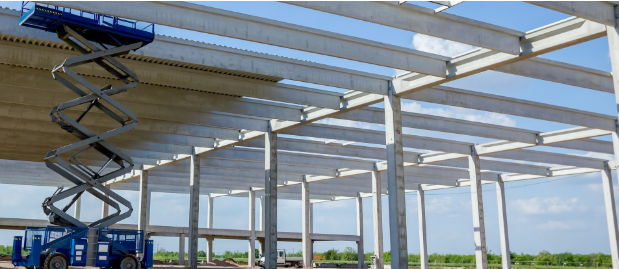
Scissor lifts are designed to raise a platform vertically, allowing workers to reach elevated positions while standing on a stable working surface within the machine’s operating limits. Depending on the model and working conditions, they can be useful for installation, maintenance and construction activities.
Their practical advantage is that workers can position themselves with the tools needed for the task, rather than repeatedly climbing up and down a ladder to retrieve equipment. A suitable lift may also help workers move between working positions more efficiently when the site layout allows it.
However, scissor lifts are not suitable for every situation. Their operating requirements, platform dimensions and ground limitations must be considered before use.
Businesses exploring Scissor Lift Hire can discuss the nature of their work with TT54 Plant Hire. The company lists electric Genie GS1932 and GS2646 models for appropriate indoor and outdoor applications on firm, level surfaces.
Selecting between different machines should involve checking their specifications against the actual site conditions rather than choosing solely on price or availability.
Compact Equipment Can Make a Difference on Restricted Sites
Space limitations are common in commercial buildings, refurbished properties and busy construction environments. Narrow entrances, internal corridors, existing fixtures and occupied working areas can restrict the movement of larger machinery.
In these situations, equipment dimensions become an important part of the hiring decision.
A compact lift may be more appropriate where access is restricted, provided it meets the working-height, capacity and ground requirements of the task. Before booking, contractors should measure doorways and other access points and check the machine’s overall dimensions.
It is also important to consider turning space and the route from the delivery point to the work area. A machine that fits through the main entrance may still be unsuitable if internal access is obstructed.
Planning these details in advance can prevent unnecessary delays and help contractors determine whether a scissor lift is the right solution for the site.
Preparing the Site Before Equipment Arrives
Equipment hire works best when the working area is ready before machinery arrives. Poor preparation can lead to wasted hire time, additional handling and disruption to other activities.
Start by identifying where the equipment will be unloaded and stored. If delivery is being arranged, confirm that the site has suitable access and that someone will be available to receive the machinery.
The intended working area should also be checked for hazards. These may include uneven floors, slopes, overhead structures, electrical installations, floor openings and other obstructions.
Where work takes place in an occupied building, consider how equipment movement might affect employees, customers or other contractors. Temporary barriers and clear working zones may be necessary to keep people away from hazardous areas.
A straightforward preparation checklist can include:
- Confirming delivery or collection arrangements.
- Checking the route to the work area.
- Measuring restricted entrances and passages.
- Assessing the condition and suitability of the ground.
- Identifying overhead and surrounding hazards.
- Arranging appropriate operator training and site supervision.
- Ensuring the equipment can be secured when not in use.
Completing these checks before the hire period begins can make equipment use more organised.
Managing Hire Costs Without Compromising Safety
Budget management is important for contractors working to fixed quotations or tight project deadlines. Equipment hire costs can become difficult to control when machinery is booked before the work schedule has been properly considered.
One useful approach is to coordinate equipment delivery with the stage of the project when it will actually be needed. If access equipment arrives several days before the relevant work starts, the customer may incur unnecessary costs.
The expected duration should account for preparation, actual operation and reasonable contingency time. However, the aim should not be to select the shortest possible hire period regardless of circumstances. A realistic schedule is more useful than an overly optimistic estimate that creates pressure to rush the work.
Contractors should also ask about the supplier’s charging arrangements, delivery fees, collection options and any applicable conditions for extending or returning equipment.
Comparing the full hire cost is more informative than looking at a headline daily price alone. The cheapest option may not be the most practical if it does not meet the project’s requirements.
Working With a Local Equipment Hire Provider
Local knowledge and accessible communication can help contractors arrange machinery more efficiently. When project schedules change, being able to contact a supplier and clarify availability or collection arrangements can be particularly valuable.
TT54 Plant Hire serves customers in Telford, Shrewsbury and the wider West Midlands. Its location provides access to major motorway routes, and delivery is available for an additional charge.
Customers looking for Plant Hire Telford can enquire about the available machinery and explain their requirements before arranging a booking.
When contacting a provider, it helps to supply the intended working height, location, access restrictions, estimated hire dates and type of task. These details give the supplier a clearer understanding of the job and help establish whether the available equipment is appropriate.
Customers should also confirm the applicable documentation and hire conditions. TT54 Plant Hire specifies identification and address requirements for first-time hirers, along with responsibilities concerning equipment security, damage and returns.
Clarifying these matters in advance makes the hiring process more straightforward.
Training and Responsible Operation Matter
Even when a machine is suitable for the site, its safe operation depends on competent users and appropriate working practices.
Before use, operators should understand the manufacturer’s instructions, equipment controls, capacity restrictions and emergency procedures. Any required formal training should be completed before the equipment is operated.
The machine should be used only within its specified operating conditions. Workers must remain within the permitted platform capacity, and the equipment must not be moved or positioned in ways that conflict with its operating instructions.
A site-specific risk assessment should also address nearby workers, pedestrians, vehicles and overhead hazards. Appropriate inspections and maintenance arrangements are essential, and any suspected defect should be dealt with before the machine is used.
Good planning is not simply about completing work faster. It is about making sure the selected equipment and working methods are appropriate for the task.
Conclusion
Successful work at height begins long before machinery is switched on. Contractors who assess site conditions, identify equipment requirements and organise delivery arrangements in advance are better placed to manage their projects efficiently.
Scissor lifts can be useful for many installation and maintenance activities, but the correct choice depends on access restrictions, ground conditions, working height and the equipment’s specified limits. Understanding these factors helps prevent unsuitable bookings and avoidable disruption.
For businesses undertaking construction or property maintenance work in Telford and nearby areas, TT54 Plant Hire offers a starting point for discussing access equipment requirements. Contact the team to check availability, clarify hire conditions and identify a suitable option for your next project.