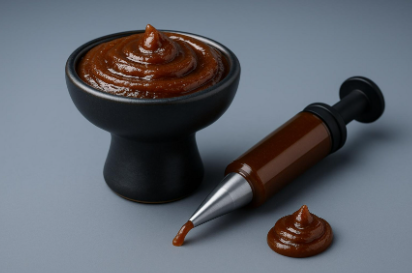
Hookah squeeze accessories help spread heat, make preparation easier, and improve how modern pastes and traditional shisha vaporize inside a hookah. These parts do more than sit on the setup. They help control airflow, manage heat, and create a tight seal so each session feels smooth and steady. Whether you are applying a new paste or preparing a regular bowl, the right accessories connect the hookah’s design with the process that releases flavor.
In modern waterpipe use, vapor pastes such as hookah squeeze have changed how many people prepare a session. In the past, users had to pull apart, fluff, and balance tobacco leaves by hand. Squeeze pastes and the accessories made for them give users better control over placement. They can apply glycerol-based formulas to selected areas of the bowl with less mess and use them with current heat management systems.
What Are Hookah Squeeze Accessories?
How Squeeze Accessories Support the Hookah Setup
Squeeze accessories include special tools, dispensers, phunnel bowls, and heat management parts made for thick shisha pastes. They can be used with traditional tobacco or instead of it. Pastes use a mineral base filled with vegetable glycerine and flavor compounds, so they react to heat differently from cut tobacco leaves. The right parts keep the paste in place, help it vaporize evenly through indirect heat, and stop it from running into the stem or water base.
These accessories also make the whole session easier to manage. Dispensing nozzles and applicators let users place paste under dry tobacco or spread it around the edge of a phunnel bowl with good control. By guiding heat to the liquid and mineral mixture, squeeze-compatible parts reduce hot spots. This helps produce thick, fragrant vapor without burning the paste.
The Difference Between Core Components and Add-On Accessories
It helps to separate a hookah’s main parts from its extra equipment. The main parts of a waterpipe are the water vase, the center stem that carries the smoke, the bowl that holds the product, the hose, and the purge valve. Together, these parts create the basic air system that pulls air through the water.
Add-on accessories change, protect, or improve that basic setup. Heat management devices (HMDs), charcoal diffusers, silicone grommet sets, and paste nozzles do not replace the main structure of the pipe. They give the user more control. A basic waterpipe can work with foil and quick-light coals, but better add-ons can steady the heat, change draw resistance, and make the setup more suitable for pastes and newer shisha products.
Why Accessory Compatibility Matters
One accessory may not work with every hookah. Waterpipes depend on pressure differences, so even a small change in grommet size or port width can weaken the draw. Bowl design matters even more with squeeze pastes. Traditional Egyptian bowls have holes at the bottom, which can let liquid paste flow into the water, dirty the stem, and waste flavor.
Part matching also affects heat control. A shallow ceramic bowl paired with a large metal heat management device may create hot spots and overheat the glycerine in the paste, producing harsh vapor. The bowl shape, grommet thickness, and heat manager should sit together properly. This creates a tight seal, steady airflow, and even heat movement. To find bowls, grommets, and heat managers that work well as a set, browse the selection at Shisha Boutique.
Which Hookah Accessories Affect the Smoking Experience?
Hoses and Mouthpieces Improve Airflow and Comfort
The hose carries smoke to the user, so it has a major effect on the session. Modern medical-grade silicone hoses have mostly replaced leather and wire-framed versions because they allow free airflow, do not flatten under pressure, and have smooth inner walls that resist holding old flavors. A flexible hose that is not sticky and measures about 150 to 180 centimeters usually gives an easy draw without pulling on or tipping the hookah.
Mouthpieces made from anodized aluminum, glass, resin, or turned wood also affect comfort and vapor temperature. Metal and thick glass mouthpieces can take in some leftover heat from the smoke path, creating a cooler draw. The opening inside the mouthpiece should match the hose size. This keeps air resistance steady and prevents the user from having to pull too hard.
Bowls and Heat Management Devices Control Flavor and Heat
The bowl is where the shisha is heated. Clay bowls, including dense stoneware and traditional terracotta, hold heat well and spread it gently across the load. For squeeze pastes, phunnel bowls with a raised center are usually the best choice. Their outer channel holds hot glycerine and juices in place while hot air passes over the surface.
Heat management devices, including the Kaloud Lotus and similar vented metal covers, take the place of standard foil. An HMD creates a buffer between the burning charcoal and the shisha paste. Its vents control how much air reaches the coals. By reducing direct ash and blocking some outside drafts, an HMD supports slower, more even vaporization instead of harsh burning in one area.
Valves and Grommets Help Maintain an Airtight Seal
A waterpipe works much like a sealed air system. If air enters through the joints, pressure inside the hookah falls, and the result can be thin smoke with weak flavor. Rubber and silicone grommets at the base, hose port, and bowl adapter create the tight connections needed for a strong draw.
The purge valve uses a small ball made from stainless steel, plastic, or glass to release air in one direction. If the session becomes too hot, gently blowing into the hose opens the valve and pushes old air out of the base. This happens without pulling water into the stem. A valve that moves freely gives the user better control over the air inside the base.
Trays and Bases Improve Stability and Cleanliness
Bases and trays may look decorative, but they also support safe and clean use. The base, often made from heavy pressed or blown glass, keeps the hookah’s center of gravity low. A wide, bell-shaped base holds enough water to cool and filter the smoke while adding weight that helps stop the pipe from tipping.
The coal tray sits below the bowl at the top of the stem. It catches ash and small sparks before they reach a table or floor. Wide trays made from heat-resistant metal or alloys also give users a safe place to set hot charcoal while adjusting the heat with tongs.
What Common Problems Can Accessories Prevent or Fix?
Improve Weak Airflow with Airtight Connections
A weak, airy draw is one of the most annoying problems during a session. It usually comes from small leaks around the connection points. Replacing old, hard rubber seals with soft, food-grade silicone grommets can create a tight connection at the base, bowl, and hose.
Check that hose adapters line up correctly and that the purge valve ball sits in the right place. These simple checks stop unwanted air from entering the system. Once the leaks are gone, each puff pulls air across the heated bowl, which gives a faster vapor response and fuller flavor.
Reduce Harsh Smoke with Better Heat Management
Harsh or bitter smoke often comes from too much direct heat on the top of the bowl. When charcoal sits directly on foil, hot spots can form quickly and overheat the shisha paste. This can break down the mixture and create an unpleasant taste. A heat management device helps by keeping the coals above the bowl and spreading heat through a thick metal plate.
HMDs with adjustable lid vents let you change the airflow around the coals. If the session starts to taste burnt, purge the base and open the vents slightly. This lowers the bowl temperature and may save the flavor before the paste is spoiled.
Prevent Water Leaks with Proper Grommet Placement
Water leaks and loose stems often happen when a grommet does not match the opening in the base. A poor seal may let water or splashes reach the joint, and the heavy glass vase could slide when the hookah is moved. Ribbed silicone base gaskets made for the vase’s inner diameter create a firm connection without leaks.
A correctly placed grommet also helps stop water from reaching the hose port. When the stem is centered and set at the right depth, bubbling stays below the chamber level. This keeps the hose dry and reduces the chance of accidentally inhaling water.
Stop Hose Odors and Flavor Transfer with Regular Cleaning
“Ghosting” means that an old flavor stays inside the hose and affects later sessions. Strong leftover flavors can cover the lighter notes in pastes and herbal blends. Traditional hoses with metal coils inside cannot be washed safely because water can rust the wire and damage the outer fabric. With time, these hoses collect stale smells and residue that affect every later session.
Washable silicone hoses and firm cleaning brushes help solve this problem. Rinse silicone hoses with warm water and a mild citrus or baking soda mixture to remove glycerine deposits and essential oils. This leaves a more neutral surface for each new flavor.
Stabilize the Hookah with a Suitable Base and Tray
Hookahs with a high center of gravity can tip when someone bumps them, especially when they have heavy clay bowls and solid metal heat managers. A wide, thick glass base lowers the center of gravity and reduces movement when the hose is passed around. On a table, a silicone base protector can add grip on smooth surfaces.
A wide tray with a raised edge adds another layer of protection. If a coal moves during an adjustment, the tray helps keep it in place. A heavy base and a strong tray work together to protect the room and make the session feel more secure.
How Should You Choose Hookah Squeeze Accessories?
Match Accessories to the Hookah Model and Port Size
Physical size should be the first thing you check when choosing accessories for squeeze pastes and shisha. Modern hookahs use several connection styles, including slip-in grommets, magnetic ports, and threaded ground-glass joints. Look at the top adapter, hose connector, and purge port on your stem before buying replacement parts. This helps you find pieces that fit without makeshift changes.
Pay close attention to the shape of the bowl adapter. A bowl with a large base opening may need a thicker grommet to stay upright. A narrow opening may need a thin silicone adapter that can sit fully inside it. Accessories with the right dimensions reduce loose, leaking connections and help the hookah work as intended.
Compare Silicone, Glass, Metal, and Plastic Materials
Each accessory material has its own strengths and limits:
- Silicone: Very durable, washable, heat-resistant, and hard to break. It works well for hoses, bowls, and flexible grommets.
- Metal (Stainless Steel & Anodized Aluminum): Handles heat well, is easy to clean, and lasts a long time. It suits tongs, trays, mouthpieces, and HMDs.
- Glass: Does not react with flavors and has a smooth, non-porous surface, so it does not hold old tastes. It looks good in bases and mouthpieces but can chip or crack if handled roughly.
- Plastic & Acrylic: Light and affordable, making it useful for travel bases and disposable tips. Plastic can scratch easily and may hold odors after long use.
Choose each material based on its place in the setup. Heat-resistant materials work best near the coals, while smooth and easy-to-clean materials are useful along the vapor path.
Select Accessories for Flavor, Smoke Density, or Ease of Use
Your main goal should guide your accessory choices. If you care most about clean flavor, choose a dense stoneware phunnel bowl, a quality glass or stainless steel mouthpiece, and an aluminum HMD that keeps charcoal away from the paste. These parts help preserve light flavor notes and reduce burnt tastes.
If you want large, dense clouds, focus on airflow. Wide silicone hoses, purge systems with an open draw, and diffuser attachments that break large bubbles into many small ones can increase vapor volume and make the draw quieter. If quick setup and easy cleaning matter most, silicone bowls that resist breaking, clip-on coal holders, and squeeze-tube dispensers can shorten preparation and cleanup.
Check Seal Quality, Durability, and Cleaning Requirements
Before purchasing an accessory, check how it needs to be maintained over time. Quality silicone parts may have a matte, dust-resistant surface that is less likely to collect pet hair. Metal fittings should use high-grade stainless steel, such as V2A, or anodized aluminum to resist rust and damage from moisture and heat.
Look at the flexibility and thickness of each grommet and seal. Thin rubber can become brittle and crack under repeated heat, causing leaks. Thick silicone parts keep their flexibility, handle repeated washing, and maintain a tight friction fit for a long time.
How Do Hookah Accessories Improve Safety and Hygiene?
Use Tongs and a Coal Burner to Reduce Burn Risks
Handling charcoal is the main physical danger during a hookah session. Natural coconut coals can burn at temperatures above 400 degrees Celsius. Trying to move them with kitchen tools or ordinary pliers can cause dropped embers and serious burns. Hookah tongs, including pincer, flat-blade, and scissor styles, have gripping tips and heat-protected handles made for holding hot coal cubes.
A dedicated electric coil burner gives natural coconut coals a stable place to light indoors. Unlike a household stovetop, which may crack or damage its surface, a vertical or coil burner heats the coals on several sides. This lowers the chance of cracking and reduces flying sparks.
Manage Charcoal Smoke in a Well-Ventilated Space
Burning charcoal produces carbon monoxide, small particles, and other combustion byproducts. A charcoal carrier basket with a tall, heat-blocking handle lets you move hot coals from the lighting area to the smoking area more safely and with less ash falling along the way.
Light coals and use the hookah in a space with good ventilation and active air movement. A wind cover or enclosed heat management device keeps the coals in place, reduces loose embers, and limits the spread of ash into the surrounding air.
Clean Hoses, Mouthpieces, and Bases Between Sessions
Good hygiene helps preserve flavor and keep the setup clean. During a session, the water base collects particles, while condensation and glycerine settle inside the hose and stem. If these areas are not cleaned, the dark, damp buildup can support bacterial growth.
Long curved stem brushes and vase brushes with warm water can remove residue from difficult areas. Flush silicone hoses well and sanitize metal mouthpieces after each session. These steps reduce mold growth and keep the equipment ready for the next use.
Avoid Sharing Unclean Mouthpieces
Hookah sessions are often shared with friends or family. However, sharing one mouthpiece can spread saliva and germs. In group settings, each person should use a disposable hygienic tip or an individual silicone cover on the shared hose handle.
Many personal mouthpieces attach to neck lanyards. Each person can place their clean tip into the shared hose handle before taking a draw. This simple step lowers the chance of spreading germs while keeping the group session social.
Replace Worn Grommets and Cracked Components
Regular hardware checks are also part of safe hookah use. Repeated heating and cooling can create tiny cracks in a glass base. Rubber grommets can lose flexibility, become hard, or stretch out of shape. A cracked base may break under the weight of water and metal parts, creating a serious hazard.
Inspect the setup whenever you clean it. Replace frayed hoses, chipped glass bowls, and stiff grommets as soon as you find them. This keeps the hookah stable, secure, and ready for each session.
New squeeze accessories may soon work with electronic heat systems. High-precision induction heaters and smart thermal collars are beginning to appear in the waterpipe market. Squeeze pastes may work well with battery-powered, charcoal-free convection heads because their mineral and glycerine bases do not need an open flame. Programmable heating parts could let users set a specific vapor temperature, bring out delicate flavor terpenes, and remove carbon monoxide from the traditional charcoal setup.