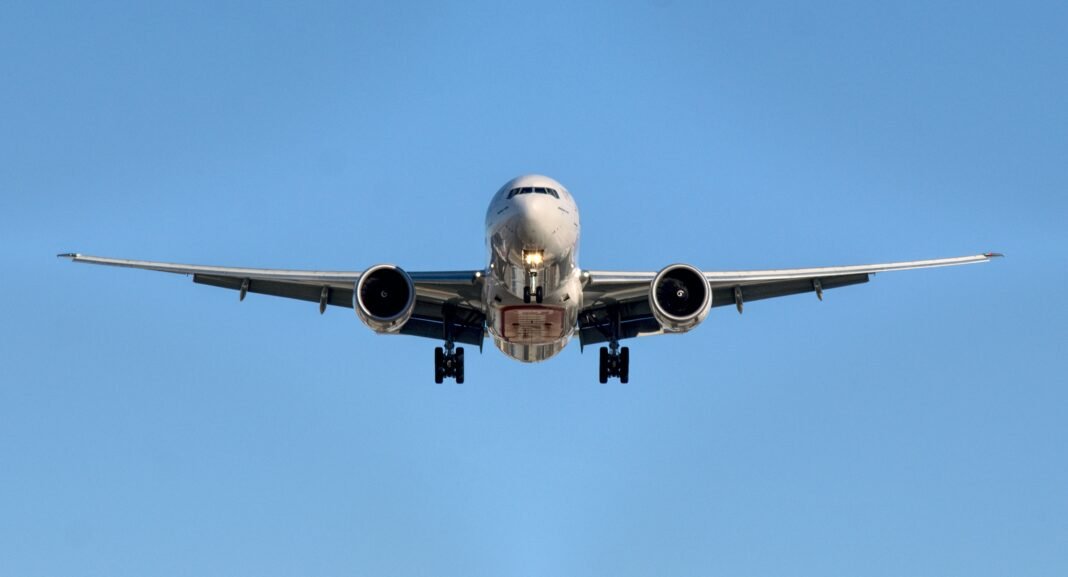
What if the airplane you fly in tomorrow looks nothing like the ones we use today? The aviation industry stands at a turning point where technology, sustainability, and safety converge to create machines and systems that would have seemed impossible just a decade ago. Airlines and aircraft manufacturers are investing billions into research and development to reimagine how we fly, from more efficient engines to completely autonomous flight systems. These innovations are not distant dreams; many are already in testing phases or early deployment stages across the globe.
1. Electric and Hybrid-Electric Aircraft
Electric propulsion represents one of the most promising frontiers in aviation innovation. Companies are developing battery systems and electric motors that could power smaller aircraft and regional flights within the next five to ten years. These aircraft produce zero direct emissions during flight and operate significantly more quietly than traditional jet engines, reducing noise pollution around airports and in surrounding communities. The challenge lies in energy density, as current battery technology limits electric aircraft to shorter distances and smaller passenger capacities, though rapid advancements in battery chemistry are steadily improving these constraints. Researchers are exploring solid-state batteries and lithium-metal systems that could dramatically increase the range and payload capacity of electric planes. Hybrid-electric models, which combine conventional engines with electric motors, offer a practical intermediate step while the technology continues to mature.
2. Advanced Materials and Lightweight Design
Modern aircraft are increasingly built from composite materials such as carbon fiber reinforced polymers instead of traditional aluminum alloys. These materials are stronger, lighter, and more durable than their predecessors, allowing planes to carry heavier loads while consuming less fuel. A lighter aircraft requires less energy to operate, which translates directly into reduced fuel consumption and lower emissions per flight. Manufacturing these composites demands precision and specialized knowledge, but the long-term fuel savings and environmental benefits justify the investment. Aircraft designers are also incorporating advanced manufacturing techniques like additive manufacturing, or 3D printing, to create complex components with minimal waste. These innovations reduce production costs over time while enabling engineers to design parts that were previously impossible to manufacture using conventional methods.
3. Sustainable Aviation Fuels
The aviation industry cannot eliminate kerosene-based jet fuel overnight, but sustainable aviation fuel (SAF) offers a practical bridge toward greener operations. SAF is derived from renewable sources such as plant waste, algae, or synthetic production methods and can reduce lifecycle carbon emissions by up to 80 percent compared to conventional jet fuel. The critical advantage of SAF is that it can be used in existing aircraft without engine modifications or infrastructure overhauls. Airlines worldwide are beginning to blend small percentages of SAF with traditional fuel, and many have committed to scaling these percentages significantly within the coming years. Production capacity remains the main limitation, requiring manufacturers to expand refineries and develop more efficient extraction and processing methods to meet future demand. As supply increases and production methods improve, the cost of SAF is expected to become more competitive with conventional fuel.
4. Autonomous Flight Systems and AI Integration
Artificial intelligence and automation are reshaping how aircraft operate and how pilots interact with flight systems. Modern commercial aircraft already rely on sophisticated autopilot systems, but emerging AI technologies promise to enhance safety, efficiency, and decision-making across all phases of flight. Machine learning algorithms can analyze vast amounts of flight data to optimize flight paths, predict maintenance needs before failures occur, and improve fuel efficiency through real-time adjustments. When technicians retrofit or upgrade aircraft with modern autopilot hardware, having the right components on hand is essential, and professionals completing precise avionics work in a certified shop environment rely on a garmin autopilot install kit to ensure proper fitment and streamlined integration. Autonomous cargo aircraft are already being tested in various countries, performing flights with minimal human intervention, while full passenger aircraft autonomy faces significant regulatory and social acceptance hurdles even as the technological foundation develops. Beyond the cockpit, AI powers ground operations, helping airlines manage schedules, optimize gate assignments, and predict passenger delays with greater accuracy than human coordinators alone can achieve.
5. Noise Reduction Technologies
Aircraft noise remains a significant concern for communities near airports, and manufacturers are implementing multiple strategies to address it. New engine designs feature advanced noise-reducing technology, including chevron nozzles that break up turbulent jet exhaust and lower noise by several decibels. Active noise control systems use microphones and speakers to generate sound waves that cancel out engine noise, similar to noise-canceling headphones but on an industrial scale. Airframe design improvements, such as smoother landing gear assemblies and modified flap designs, also contribute to quieter operations. Regional aircraft equipped with these technologies can be 20 decibels quieter than earlier generations, representing a significant reduction in the acoustic environment for surrounding communities. As regulations in Europe, Asia, and North America continue to tighten noise restrictions, these technologies will become standard requirements for airport operations in major metropolitan areas.
Conclusion
The future of aviation is being shaped by interconnected innovations that address efficiency, sustainability, and safety simultaneously. Electric propulsion, advanced materials, sustainable fuels, autonomous systems, and noise reduction technologies represent different pieces of a larger puzzle aimed at transforming air travel for the 21st century. No single innovation will solve all the challenges facing aviation; instead, the industry's progress depends on the parallel development and integration of multiple technologies working in concert. Airlines, manufacturers, and regulators are collaborating to accelerate these advancements while managing the financial and logistical complexities of transitioning existing fleets and infrastructure. The trajectory is clear: aviation is moving toward aircraft that are cleaner, quieter, safer, and more efficient than the planes flying today. Passengers and communities alike will benefit as these technologies mature and become mainstream across the global aviation network.