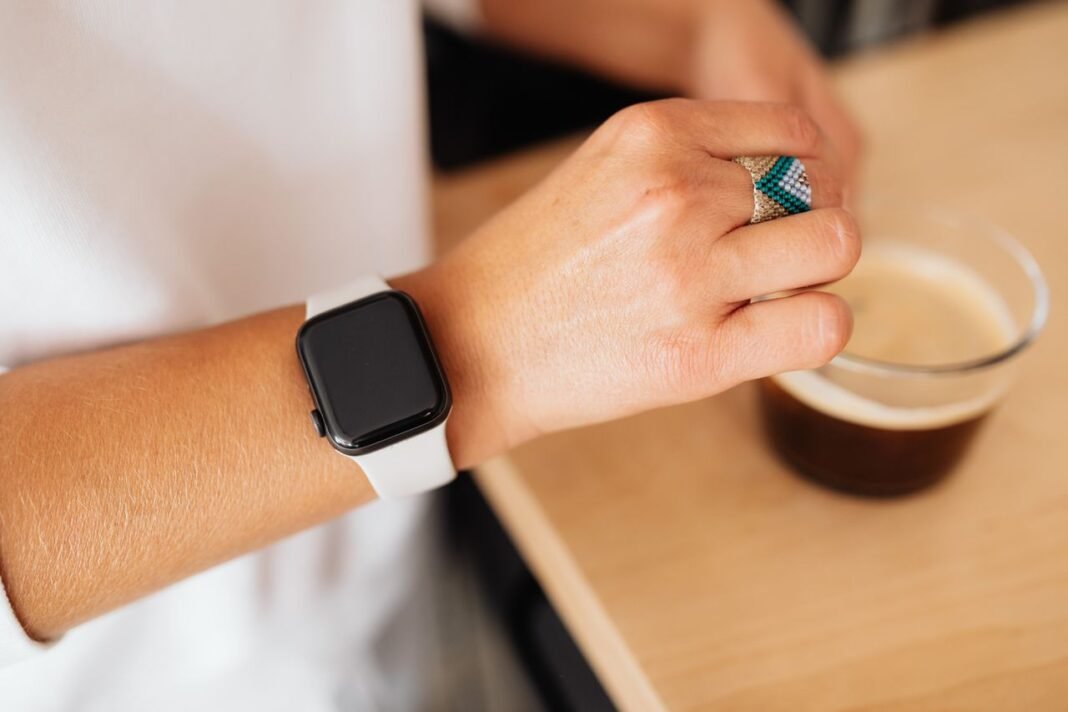
Wearable technology has changed how people monitor their daily activity, sleep, and general wellness. Smartwatches and fitness bands have made health tracking more accessible, but a newer option is attracting attention: the fitness ring.
A fitness ring is a compact wearable device designed to collect information about selected health and activity measurements. Worn on a finger, it can monitor patterns such as heart rate, sleep, movement, and recovery, depending on the model. Unlike a smartwatch, it usually has no large screen, making it a discreet option for people who prefer simple wearable technology.
A health tracking ring can also help users understand how everyday habits relate to their wellness patterns. By reviewing information collected over time, users may notice changes in sleep routines, activity levels, and other measurements.
Whether someone wants to improve their fitness routine, understand their sleep, or explore wearable technology, a fitness ring offers a different way to stay informed about everyday health.
What Is a Fitness Ring?
A fitness ring is a small electronic wearable that uses built-in sensors to collect health and activity information. It is designed to be worn throughout the day and, with compatible models, during sleep.
The ring collects measurements and transfers the information to a smartphone application. Users can then review daily summaries, trends, and other insights through the app.
Depending on the product, a fitness ring may track:
- Heart rate: Records heart rate measurements throughout the day and night.
- Heart rate variability (HRV): Provides information about changes in the time between heartbeats.
- Sleep patterns: Estimates sleep duration and different sleep stages.
- Blood oxygen saturation: Measures estimated oxygen saturation levels.
- Skin temperature: Tracks changes in skin temperature over time.
- Daily activity: Records steps, movement, and estimated calorie expenditure.
- Stress-related trends: Uses selected measurements to provide information about physiological stress patterns.
Not every ring includes all these features. Buyers should compare the specifications of individual models before choosing one.
How Does a Health Tracking Ring Work?
A health tracking ring uses miniature sensors positioned inside its structure to collect information from the finger. These sensors can detect different signals, including changes in blood flow, movement, and skin temperature.
The collected information is processed by the ring’s software and synchronized with a connected smartphone application. The app organizes the data into charts, daily summaries, and longer-term trends.
Here is a simplified explanation of how the process works:
1. Sensors Collect Information
The ring uses optical sensors, temperature sensors, and motion sensors to gather different types of measurements. The exact sensor combination depends on the device.
2. Data Is Processed
The ring’s software processes the collected signals to estimate measurements such as heart rate, sleep patterns, and activity levels.
3. Information Syncs With an App
The data is transferred to a compatible smartphone, where users can view their results and historical information.
4. Users Review Their Trends
Instead of focusing on one isolated measurement, users can review patterns over several days or weeks. This can help them understand how their routines change over time.
The information should be treated as general wellness guidance. A fitness ring is not a substitute for medical equipment or professional healthcare.
Key Benefits of Using a Fitness Ring
A fitness ring can be useful for people who want access to everyday wellness information without wearing a larger electronic device. Its compact design and continuous tracking capabilities offer several potential benefits.
1. Better Awareness of Sleep Patterns
Sleep is an important part of physical and mental well-being. However, many people do not pay close attention to their sleeping routines.
A fitness ring with sleep tracking can estimate how long someone sleeps and provide information about sleep stages. Some models also display overnight heart rate, breathing-related measurements, and other sleep indicators.
Reviewing this information may help users identify patterns, such as irregular bedtimes or changes in sleep duration.
For example, someone who consistently sleeps fewer hours during the working week may decide to establish a more regular bedtime routine.
2. Understanding Daily Activity
Staying active does not always require an intense workout. Walking, household activities, cycling, and regular movement throughout the day can all contribute to an active lifestyle.
A fitness ring can record steps and other activity-related measurements, depending on its capabilities.
These insights may encourage users to set realistic daily movement goals and monitor their progress over time.
3. Monitoring Heart Rate Trends
Heart rate is one of the common measurements available in modern wearable devices. A health tracking ring can use optical sensors to collect heart rate information during everyday activities and sleep.
Users can review their measurements and observe how they change during different activities or at different times of the day.
However, wearable readings are estimates and may vary depending on fit, movement, skin characteristics, and device design.
4. Reviewing Recovery and Wellness Patterns
Some fitness rings combine sleep, heart rate variability, resting heart rate, and activity information to provide recovery-related insights.
These summaries can help users understand whether their recent routines have been consistent or whether their measurements have changed.
For people who exercise regularly, this information may offer another way to review their training habits. It should not be treated as a definitive measurement of physical readiness or a replacement for listening to the body.
5. A Compact Alternative to Smartwatches
Not everyone enjoys wearing a smartwatch. Some people prefer traditional watches, while others find wrist-based devices inconvenient during certain activities.
A fitness ring provides another option. It is smaller, has no large display, and can remain relatively discreet during everyday tasks.
This design may appeal to people who want basic wellness information without adding another screen to their daily routine.
Fitness Ring vs. Smartwatch: What Is the Difference?
Fitness rings and smartwatches both offer wearable tracking features, but their designs and purposes are different.
| Feature | Fitness Ring | Smartwatch |
| Design | Small and worn on a finger | Larger and worn on the wrist |
| Display | Usually no built-in screen | Usually includes a display |
| Sleep tracking | Available on many models | Available on many models |
| Heart rate monitoring | Available on many models | Available on many models |
| Notifications | Usually limited or unavailable | Commonly supported |
| Apps | Usually managed through a phone app | Often supports apps directly |
| Battery life | Often several days or longer | Varies by model |
| Main purpose | Wellness and activity insights | Fitness, notifications, and interactive features |
A fitness ring may be more suitable for someone who prioritizes discreet tracking and overnight comfort. A smartwatch may be a better option for someone who wants notifications, apps, and direct interaction with a screen.
The right choice depends on personal preferences and the features someone actually plans to use.
What Features Should You Look for in a Health Tracking Ring?
Choosing a health tracking ring requires more than comparing prices or appearance. A good buying decision should consider comfort, tracking capabilities, battery life, and compatibility.
Sensor Capabilities
Check which measurements the ring supports. Common options include heart rate, HRV, sleep, skin temperature, blood oxygen saturation, and activity tracking.
A product with more sensors is not automatically better. The usefulness of the information and the quality of the app experience also matter.
Comfortable Fit
A ring should fit securely without feeling too tight or uncomfortable. Since many users wear these devices overnight, comfort is particularly important.
Always follow the manufacturer’s sizing instructions. Smart ring sizing systems can differ from standard jewellery sizes and even from other smart ring brands.
Battery Life
Battery life determines how frequently the device needs charging. Models with longer battery life may be more convenient for people who want continuous tracking.
Also check whether the product includes a charging case or dock and whether the charging accessory is easy to carry.
Water Resistance
People may wear a fitness ring while washing their hands, exercising, or swimming. Water-resistance ratings vary between models, so review the manufacturer’s specifications and usage guidance.
Do not assume every smart ring is suitable for every water activity.
App Compatibility and Subscription Policy
Check whether the ring supports your smartphone’s operating system and whether its application provides the information you need.
Some wearable brands charge recurring fees for certain features. Reviewing the subscription policy before purchasing can help avoid unexpected costs.
RingConn Gen 3: A Health Tracking Ring Worth Considering
For people comparing different fitness rings, the RingConn Gen 3 is one model worth considering. It combines a compact titanium-based design with sleep, activity, and wellness tracking features.
The ring is designed for everyday use and offers several insights through its connected smartphone application. Its features include continuous monitoring of selected health measurements, Sleep Breathing Insights, vascular health trends, and smart vibration alerts.
Sleep Breathing Insights tracks overnight breathing patterns to provide additional information about sleep-related wellness. It helps users understand general breathing patterns during sleep and observe changes over time.
One notable advantage is that RingConn does not require a mandatory subscription for its core features.
Continuous Health and Activity Monitoring
RingConn Gen 3 supports monitoring of several measurements, including:
- Heart rate
- Heart rate variability (HRV)
- Blood oxygen saturation (SpO₂)
- Respiratory rate
- Skin temperature
- Stress-related measurements
- Steps and estimated calories
Users can review this information through the RingConn app and observe changes over time.
Sleep Tracking and Sleep Breathing Insights
Sleep tracking is another important part of the RingConn Gen 3 experience. The device provides information about sleep duration, estimated sleep stages, and overnight measurements.
It also includes Sleep Breathing Insights, a feature that tracks overnight breathing patterns to provide additional information about sleep-related wellness. Users can review these patterns and observe changes over time as part of their general wellness tracking routine.
Sleep Breathing Insights is intended for general wellness purposes. It does not provide a medical diagnosis or replace professional medical assessments. Anyone concerned about a sleep-related condition should seek advice from a qualified healthcare professional.
Vascular Health Insights
RingConn Gen 3 introduces vascular health insights based on nighttime vascular load patterns, optional manual blood pressure inputs, and lifestyle information.
These insights are designed to show trends over time. They do not provide direct, individual blood pressure readings and should not replace a blood pressure monitor or professional medical assessment.
Smart Vibration Alerts
The ring includes a built-in vibration motor that supports selected alerts and reminders. These include health-related alerts, sedentary reminders, and low-battery prompts.
The vibration feature is not designed to deliver general smartphone messages or function as a standard wake-up alarm.
Lightweight Design and Battery Life
RingConn Gen 3 uses titanium alloy and medical-grade epoxy resin, with a PVD coating. Its listed thickness is approximately 2.3 mm, and its weight ranges from around 2.5 to 3.5 grams depending on the ring size.
The manufacturer lists battery life of approximately 10–12 days with vibration enabled and 11–14 days with vibration disabled. Actual performance depends on usage and settings.
The ring also features IP68 and ATM10 water resistance, with a stated rating of up to 100 metres. Users should follow the manufacturer’s care instructions.
For people looking for a wearable that combines daily activity tracking with additional wellness insights, RingConn Gen 3 offers several features to compare.
You can review its specifications, sizing information, and available finishes on the official RingConn Gen 3 product page.
Who Can Benefit From Using a Fitness Ring?
A fitness ring can suit different lifestyles, although its usefulness depends on the user’s needs and expectations.
Fitness Enthusiasts
People who exercise regularly may use a fitness ring to review activity levels, sleep patterns, and selected recovery-related measurements.
It can provide additional information alongside a workout routine, although it is not a replacement for dedicated sports equipment when detailed exercise metrics are required.
Busy Professionals
People with demanding schedules may appreciate a device that collects information without requiring frequent interaction.
A ring can track selected measurements in the background, allowing users to review their information when convenient.
People Interested in Sleep
Anyone trying to understand their sleeping habits may find sleep tracking useful. Reviewing sleep duration and overnight trends can help users recognize changes in their routine.
People Who Prefer Minimal Wearables
Some users simply do not want a smartwatch on their wrist. A small, screen-free ring may offer a more discreet alternative for everyday wellness tracking.
How to Get More Value From a Health Tracking Ring
Buying a wearable is only the first step. The information becomes more useful when users develop consistent habits around it.
Here are some practical ways to get more value from a health tracking ring:
- Wear it consistently: Follow the manufacturer’s guidance for regular wear to collect more useful information.
- Check your trends: Review weekly or monthly patterns rather than reacting to every individual reading.
- Maintain a regular sleep schedule: Use sleep information to understand your routine and identify possible improvements.
- Set realistic activity goals: Track movement and choose achievable targets.
- Keep the app updated: Software updates may improve the application experience and add supported features.
- Understand the limitations: Treat wearable measurements as estimates, not medical conclusions.
Consistency is more useful than constantly checking numbers without understanding what they represent.
Frequently Asked Questions
1. What is a fitness ring used for?
A fitness ring is used to monitor selected health and activity measurements, such as heart rate, sleep patterns, steps, and skin temperature. The available features depend on the model.
2. What is the difference between a fitness ring and a health tracking ring?
The terms are often used interchangeably. A fitness ring usually emphasizes activity and exercise-related information, while a health tracking ring may focus more broadly on sleep, heart rate, wellness trends, and other measurements.
3. Can a health tracking ring monitor sleep?
Yes. Many health tracking rings include sleep-monitoring features. Depending on the model, they may estimate sleep duration, sleep stages, and overnight measurements such as heart rate and blood oxygen saturation.
4. Is RingConn Gen 3 a fitness ring?
RingConn Gen 3 can be used as a fitness and health tracking wearable. It supports activity monitoring, sleep tracking, heart rate measurements, and other wellness insights through its connected application.
5. Does a fitness ring need a smartphone?
Most smart rings require a compatible smartphone application for setup, synchronization, and reviewing detailed information. Some models can temporarily store data on the ring before syncing it with the phone.
6. How long does a health tracking ring battery last?
Battery life varies by brand and model. Some rings last several days, while others offer longer usage. RingConn Gen 3 lists approximately 10–12 days with vibration enabled and 11–14 days with vibration disabled.
7. Can a fitness ring replace medical devices?
No. Fitness rings are designed primarily for general wellness tracking. Their measurements are not a substitute for medical devices, professional assessments, or advice from qualified healthcare providers.
Final Thoughts
A fitness ring offers a compact way to monitor selected aspects of everyday wellness. From sleep patterns and heart rate to daily movement and recovery-related insights, it can help users become more aware of their habits over time.
A health tracking ring may be especially useful for people who want wearable technology without the size and screen of a smartwatch. However, comfort, sizing, battery life, app compatibility, and tracking capabilities should all be considered before choosing a model.
RingConn Gen 3 is one option in this category, offering activity and sleep tracking, Sleep Breathing Insights, vascular health insights, smart vibration alerts, and no mandatory subscription for its core features.
Ultimately, the best fitness ring is the one that fits comfortably, provides useful information, and supports the user’s everyday routine.
READ ALSO: Free AI Video Generator for Creating Videos Without Expensive Equipment