The way people spend their free time has changed considerably with the growth of digital technology. Activities that once involved printed puzzles, board games, books, and traditional entertainment are increasingly moving into digital environments. Today, people can enjoy interactive games, online challenges, creative applications, virtual communities, and educational platforms through smartphones, tablets, and computers. Beyond digital entertainment, modern lifestyles are also creating interest in convenient outdoor activities and electric scooters for everyday travel, offering another way to explore local surroundings and make short journeys more practical.
Digital leisure has become an important part of modern lifestyles because it offers entertainment that can fit around different schedules and personal interests. Whether someone wants to solve a challenging puzzle, explore a virtual environment, learn a new skill, or connect with people who share similar interests, digital platforms provide numerous opportunities to make free time more enjoyable.
However, modern leisure is no longer limited to activities that take place on a screen. Digital technology is also influencing how people explore their surroundings, discover new hobbies, and travel during their spare time. This combination of online entertainment and real-world experiences is creating new possibilities for everyday recreation.
The Evolution of Traditional Entertainment
For generations, people have relied on traditional activities to fill their leisure hours. Crossword puzzles, newspapers, board games, books, and outdoor hobbies have provided enjoyable ways to relax after work or school.
These activities offer several benefits, including mental stimulation, creativity, and opportunities for social interaction. However, changing lifestyles and increased access to technology have introduced new entertainment options.
Digital platforms have made it possible to enjoy familiar activities in more convenient formats. Instead of purchasing printed puzzle books, users can access thousands of challenges through mobile applications. Online board games allow friends and family members to participate even when they are physically separated.
This transition has not necessarily replaced traditional entertainment. Instead, it has expanded the available choices and made recreational activities more accessible.
Why Digital Leisure Is Becoming Increasingly Popular
Several factors explain why digital entertainment has become such an important part of everyday life.
Convenience and Accessibility
One of the biggest advantages of digital leisure is convenience. People can access entertainment whenever they have a few spare minutes, whether they are relaxing at home, travelling, or taking a break during the working day.
Most digital platforms are designed to work across different devices, allowing users to continue activities without being restricted to a particular location.
Personalised Entertainment
Modern applications increasingly use algorithms and user preferences to recommend relevant content. This allows individuals to discover games, videos, educational resources, and recreational activities that match their interests.
Someone who enjoys solving puzzles may receive recommendations for logic challenges, while another person interested in creativity might discover digital drawing applications or photography communities.
Opportunities for Social Interaction
Digital entertainment has also created new ways for people to connect.
Multiplayer games, online discussion groups, virtual events, and social platforms allow individuals to communicate and participate in shared activities.
These experiences can help people maintain friendships, discover communities, and develop new interests beyond their immediate surroundings.
Beyond Word Puzzles: Exploring Different Forms of Digital Leisure
Word games remain a popular form of entertainment because they challenge memory, vocabulary, and problem-solving abilities. However, digital leisure now includes a much wider selection of activities.
Interactive Brain Games
Logic challenges, number puzzles, strategy games, and memory exercises provide opportunities to engage the mind while enjoying a recreational activity.
Many applications include different difficulty levels, progress tracking, and daily challenges. These features can encourage users to return regularly and gradually improve their performance.
Creative Digital Activities
Digital creativity has become another popular way to spend free time.
People can experiment with photography, graphic design, video editing, music production, and digital illustration without requiring expensive professional equipment.
Creative applications also make it easier for beginners to develop practical skills while enjoying an entertaining experience.
Online Learning and Skill Development
Not every leisure activity needs to focus entirely on entertainment. Educational platforms allow people to use their spare time to explore subjects that interest them.
Learning a language, understanding photography techniques, developing cooking skills, or exploring basic programming can turn otherwise unproductive hours into valuable personal development opportunities.
Virtual Communities and Social Gaming
Online communities provide opportunities to participate in shared interests and activities.
Gaming groups, hobby forums, virtual events, and discussion platforms allow users to exchange ideas, collaborate on projects, and build relationships.
For many people, these communities add a social dimension to digital entertainment.
Connecting Digital Entertainment with Real-World Experiences
Although digital platforms provide countless entertainment options, spending all leisure time in front of a screen can become repetitive.
Many people are therefore combining digital entertainment with outdoor activities and physical experiences.
For example, someone might use a mobile application to discover local attractions, plan a weekend route, find cycling trails, or explore nearby recreational locations.
Technology can support these activities without replacing the experience itself.
Navigation applications, digital maps, fitness trackers, and travel-planning tools make it easier to organise outdoor adventures and discover places that might otherwise remain unexplored.
This combination of digital convenience and physical recreation represents an important development in modern leisure habits.
The Growing Interest in Electric Scooters for Everyday Travel
Personal transportation is also becoming part of the wider conversation about how people use their free time.
Electric scooters have attracted attention as a convenient option for certain short-distance journeys. They can help people travel around suitable urban areas, explore accessible locations, and reduce their dependence on cars for some everyday trips.
For individuals who enjoy discovering new places, electric scooters for everyday travel can represent an interesting alternative to conventional transportation, where local regulations and infrastructure permit their use.
Their compact design and electric assistance make them appealing for several activities.
Exploring Local Neighbourhoods
Electric scooters can make it easier to explore nearby streets, parks, and suitable recreational areas. Instead of relying entirely on walking or driving, riders may have another option for short journeys.
Making Short Journeys More Convenient
Travelling to a nearby shop, visiting friends, or reaching a local destination can sometimes be easier with a compact electric scooter.
However, practical use depends on the availability of suitable routes, charging facilities, and local regulations.
Adding Variety to Leisure Activities
Outdoor recreation does not always require a major trip or an organised activity. Exploring a new neighbourhood or visiting a nearby attraction can provide a refreshing change from screen-based entertainment.
Electric scooters may support these experiences by making certain short journeys more convenient.
Before purchasing or using one, riders should check local laws, approved riding locations, speed restrictions, and safety requirements. In particular, privately owned e-scooters are not generally permitted on public roads, pavements, or cycle lanes in the UK outside authorised rental trial schemes.
Finding a Healthy Balance Between Screen Time and Outdoor Activities
Digital leisure offers convenience, but maintaining a healthy balance between online and offline activities is equally important.
Extended periods of screen use can contribute to eye strain, reduced physical movement, and disrupted sleep patterns, particularly when devices are used immediately before bedtime.
A balanced approach can make leisure time more rewarding.
Consider incorporating these simple habits:
- Set reasonable screen-time limits: Avoid allowing digital entertainment to replace every other recreational activity.
- Explore outdoor hobbies: Walking, cycling, gardening, and other physical activities provide opportunities to move regularly.
- Choose meaningful digital activities: Educational applications and creative platforms can offer more value than endless scrolling.
- Spend time with others: Balance online communication with face-to-face social interaction.
- Take regular breaks: Step away from screens throughout the day to rest your eyes and change your environment.
The goal is not to eliminate digital entertainment but to make it one part of a varied lifestyle.
How Technology Is Changing the Future of Leisure
The future of digital leisure will likely involve even greater personalisation, interactivity, and integration with everyday technology.
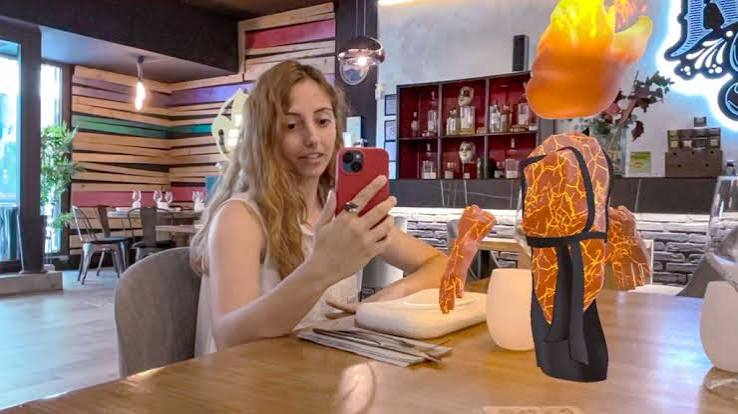
Artificial intelligence is already influencing how entertainment platforms recommend content and respond to individual preferences. Interactive learning environments, augmented reality, and virtual experiences are also creating new opportunities for users to explore digital content.
Wearable technology and mobile applications may further connect recreational activities with personal interests.
For example, fitness applications can encourage outdoor movement, while location-based platforms can help people discover nearby attractions and recreational opportunities.
As these technologies develop, the distinction between digital entertainment and traditional leisure may become less obvious. People will increasingly move between online activities and real-world experiences depending on their preferences and available time.
Making Free Time More Meaningful
Having more entertainment options does not automatically make leisure time more enjoyable. The quality of an activity often matters more than the amount of time spent doing it.
Some people find satisfaction in completing a challenging puzzle, while others prefer learning a new skill, creating digital artwork, playing games with friends, or exploring their local surroundings.
The most rewarding approach is to identify activities that provide genuine enjoyment rather than following every new digital trend.
Combining mentally engaging activities with outdoor recreation can also create a more balanced routine. A few minutes spent solving puzzles, followed by a walk or an enjoyable outdoor journey, can offer variety without making free time feel overly structured.
Conclusion
Digital technology has transformed the way people spend their free time, moving entertainment beyond traditional word puzzles and introducing new opportunities for creativity, learning, social interaction, and exploration.
From interactive games and virtual communities to outdoor discovery and modern personal transportation, today’s recreational options are more diverse than ever.
The growing connection between digital platforms and real-world activities also demonstrates that technology does not have to keep people indoors. When used thoughtfully, it can help individuals discover new interests, plan experiences, and make everyday activities more convenient.
Ultimately, meaningful leisure comes from finding the right balance between entertainment, personal development, social connections, and physical experiences. By exploring different activities and using technology responsibly, people can make their free time more enjoyable, productive, and fulfilling.