Nothing ruins a morning faster than stepping into an ice-cold shower when you expected steam. If your water heater has been acting up—making strange noises, leaking, or just refusing to produce hot water—you’re not alone. Water heaters work hard every single day, and like any hardworking appliance, they eventually need attention.
The good news? Most water heater issues are fixable, and catching them early can save you from a much bigger headache (and expense) down the road. Whether your unit is sputtering out lukewarm water or has stopped working altogether, understanding what’s going on can help you make smarter decisions about repair versus replacement.
This post breaks down the most common water heater problems, what causes them, and how professional repair services can get your hot water flowing again—safely and efficiently.
Why Is My Water Heater Not Producing Hot Water?
A water heater that produces no hot water at all is one of the most frustrating issues homeowners face. In gas units, this often points to a pilot light that’s gone out or a faulty thermocouple. In electric models, a tripped circuit breaker or a burnt-out heating element is usually the culprit.
Sediment buildup is another sneaky offender. Over time, minerals from your water supply settle at the bottom of the tank, insulating the heating element from the water it’s supposed to warm. This forces your unit to work harder while delivering less hot water—or none at all.
Why Does My Water Heater Make Strange Noises?
Popping, rumbling, or banging sounds coming from your water heater are usually a sign of sediment accumulation. As water heats up underneath layers of built-up minerals, it creates steam bubbles that escape through the sediment, causing that telltale popping noise.
While these sounds might seem harmless at first, ignoring them can lead to reduced efficiency and, eventually, damage to the tank itself. Regular flushing and maintenance can prevent sediment from building up to problematic levels.
What Causes a Water Heater to Leak?
Leaks are one of the more serious warning signs your water heater can give you. They can stem from a few different sources:
- Loose connections: Fittings and valves can loosen over time, allowing small amounts of water to seep out.
- Corrosion: Older tanks, especially those approaching the end of their lifespan, can corrode from the inside out, eventually leading to leaks.
- Pressure issues: A faulty temperature and pressure relief valve can cause water to escape as a safety measure when pressure builds too high.
- Cracked tank: In severe cases, the tank itself may crack due to age or internal corrosion, which typically means replacement is necessary rather than repair.
If you spot any pooling water around your unit, it’s best to address it right away before it leads to water damage or mold growth in your home.
How Long Should a Water Heater Last?
Most tank-style water heaters last between 8 and 12 years with proper maintenance. Tankless units tend to last longer, often 15–20 years, thanks to their design and reduced exposure to sediment buildup.
If your unit is approaching or past this age range and experiencing frequent issues, it might be more cost-effective to consider a replacement rather than continued repairs. A professional assessment can help you weigh the costs and benefits based on your specific unit’s condition.
Can Regular Maintenance Prevent Water Heater Problems?
Routine maintenance goes a long way toward extending the life of your water heater and avoiding unexpected breakdowns. Simple tasks like flushing the tank annually to remove sediment, checking the anode rod for corrosion, and testing the pressure relief valve can catch small issues before they become major repairs.
Many homeowners skip these steps simply because they don’t realize how much of a difference they make. A water heater that receives regular care can run more efficiently, use less energy, and avoid the premature failures that lead to costly emergency repairs.
Why Choose Professional Water Heater Repair Services?
Attempting to diagnose and fix water heater problems on your own can be risky, especially when gas lines, electrical components, or pressurized tanks are involved. A small mistake can lead to bigger damage or even safety hazards.
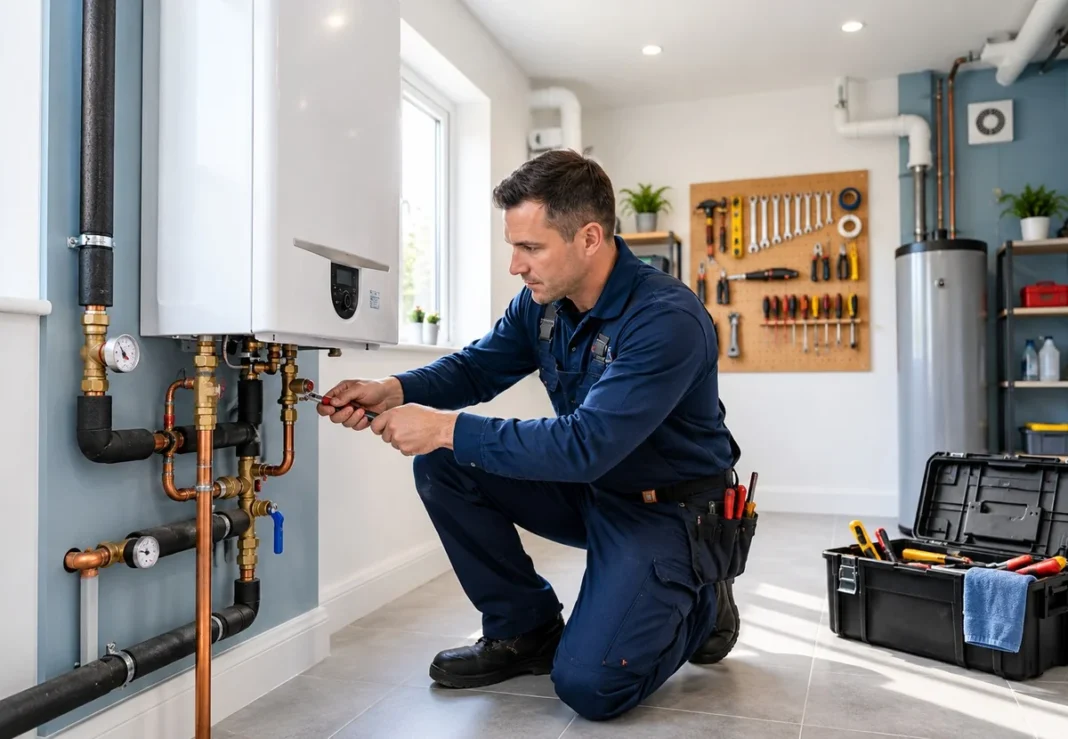
Working with experienced plumbers ensures the problem is correctly diagnosed and addressed the first time. Trusted and affordable Water Heater Repair restores reliable hot water to your home without the guesswork, giving you peace of mind that the job is done right.
At Plumbing Solutions of Central Florida Inc, our team understands the ins and outs of every major water heater brand and model, whether you have a traditional tank system or a newer tankless unit. We arrive prepared with the tools and parts needed to resolve most issues in a single visit, minimizing the disruption to your daily routine.
Get Your Hot Water Back on Track
A malfunctioning water heater doesn’t have to mean days of cold showers or costly surprises. By recognizing the early warning signs—strange noises, inconsistent temperatures, or visible leaks—you can address problems before they escalate into full system failures.
If your water heater is giving you trouble, don’t wait for it to get worse. Reach out to Plumbing Solutions of Central Florida Inc today, and let our experienced team get your hot water running reliably again.
Frequently Asked Questions
How much does water heater repair typically cost?
Costs vary depending on the issue, but common repairs like replacing a heating element or thermocouple are generally more affordable than a full system replacement. A professional inspection can provide an accurate estimate for your specific situation.
Is it better to repair or replace an old water heater?
If your unit is under 8 years old and the issue is isolated (like a faulty valve or element), repair is usually the better option. For units nearing 10-12 years with recurring issues, replacement often makes more financial sense.
How often should I flush my water heater?
Most manufacturers recommend flushing your tank once a year to remove sediment buildup and maintain efficiency.
What are signs I need water heater repair right away?
Watch for no hot water, unusual noises, visible leaks, discolored water, or a pilot light that won’t stay lit. Any of these signs warrant a prompt inspection.