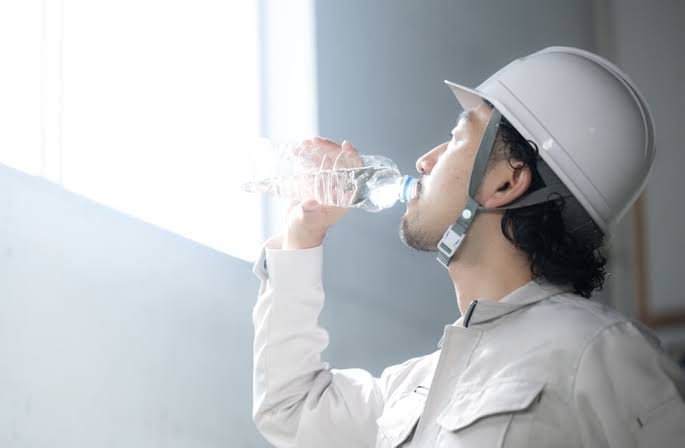
Summer heat doesn’t just slow productivity on the job site — it can turn deadly in a matter of hours. Every year, thousands of workers across construction, manufacturing, warehousing, and outdoor industries suffer from heat-related illnesses that are almost entirely preventable. Dehydration creeps up quietly, often before a worker even realizes something is wrong, and by the time symptoms appear, the damage may already be underway.
That’s why smart companies are rethinking how they protect their teams during hot weather. It’s no longer enough to hand out a few water bottles and call it a day. Employers need a structured, proactive approach that keeps workers hydrated, alert, and safe from the first shift of the season to the last. Arbill has spent decades helping organizations build safety cultures that protect their most valuable asset — their people — and heat stress prevention is one of the clearest examples of where the right program makes all the difference.
This post breaks down why hydration matters so much in high-heat work environments, what puts workers at risk, and how a well-designed approach to hydration can transform safety outcomes across an entire workforce.
Why Dehydration Is a Serious Workplace Hazard
The human body is remarkably good at regulating temperature, but it has limits. When workers are exposed to high heat and humidity for extended periods, especially while performing physical labor, their bodies lose fluids faster than they can be replaced through typical drinking habits. Even a two percent drop in body water can impair concentration, coordination, and decision-making.
Left unaddressed, dehydration can progress into heat exhaustion and, in severe cases, heat stroke — a medical emergency that can cause organ damage or death if not treated immediately. Workers in roles that involve heavy protective equipment, enclosed spaces, or sustained physical exertion face an even higher risk, since gear and movement generate additional body heat that needs to be released.
The warning signs aren’t always obvious. Fatigue, irritability, headaches, and muscle cramps are often dismissed as “just part of the job” instead of being recognized as early indicators of a bigger problem. This is exactly why relying on workers to self-monitor isn’t a sufficient safety strategy. Organizations need systems in place that catch these warning signs before they escalate.
What Makes a Hydration Strategy Effective
Not all approaches to combating heat stress are created equal. Simply placing a water cooler on site doesn’t account for the variables that make dehydration such a persistent risk: shift length, humidity levels, individual sweat rates, and the physical demands of the task at hand.
An effective strategy accounts for these variables by building hydration into the daily rhythm of work, rather than treating it as an afterthought. That means:
- Scheduled hydration breaks instead of relying on workers to remember on their own
- Electrolyte replacement, not just water, since heavy sweating depletes essential minerals that water alone can’t restore
- Education and training so workers understand the early symptoms of dehydration and heat illness in themselves and their coworkers
- Environmental monitoring to adjust work-rest cycles based on real-time heat index data
- Leadership buy-in, ensuring supervisors actively encourage hydration rather than treating it as a distraction from productivity
When these elements work together, they create a culture where staying hydrated is simply part of how the job gets done, not an extra task competing for attention.
The Business Case for Prioritizing Worker Hydration
Protecting workers from heat stress isn’t just the right thing to do morally. It’s also a sound business decision. Heat-related illnesses lead to lost workdays, increased workers’ compensation claims, and in the most serious cases, regulatory penalties and lawsuits. A single heat stroke incident can halt operations for an entire shift while emergency responders are called, investigations begin, and morale takes a hit.
Beyond the immediate costs, there’s a longer-term impact on retention and reputation. Workers talk. If a company earns a reputation for neglecting basic safety needs like hydration, it becomes harder to attract and retain skilled labor, particularly in industries already facing workforce shortages. On the other hand, companies that visibly invest in worker wellbeing tend to see stronger loyalty, fewer sick days, and higher overall productivity during hot weather months, when output might otherwise dip.
Building a Culture of Safety That Lasts
Preventing heat illness isn’t a seasonal checkbox. It requires an ongoing commitment that’s woven into daily operations, training programs, and leadership priorities. Thoughtfully designed Hydration Programs give organizations a repeatable, scalable way to protect workers from the first heat wave of spring through the final hot days of fall, instead of scrambling to react once symptoms start showing up on the job site. Arbill works alongside safety teams to design hydration solutions tailored to specific industries, shift patterns, and environmental conditions, pairing practical tools like electrolyte products and cooling gear with the training and support that make long-term adoption stick.
A strong hydration culture also sends a message that resonates beyond the immediate safety benefit. It tells workers that their wellbeing matters, which builds trust and strengthens the relationship between employees and employer. That trust pays dividends in engagement, morale, and the kind of workplace loyalty that’s increasingly hard to come by.
Staying Ahead of the Heat
Heat stress is one of the most preventable occupational hazards, yet it continues to cause serious harm across industries every year. The difference between a close call and a tragedy often comes down to preparation. Companies that take a proactive, structured approach to hydration are better positioned to protect their workforce, reduce costly incidents, and build a safety culture that employees genuinely trust.
If your organization is ready to move beyond basic water coolers and build a real strategy for heat stress prevention, now is the time to start. Reach out to Arbill’s safety specialists to learn how a tailored hydration approach can keep your team safe, productive, and prepared for whatever the forecast brings.